
30+ Years Proven Engineering
Decades of field-proven operational longevity in harsh electrochemistry, hydrogen production, and chemical processing facilities worldwide.
High-efficiency thyristor rectifiers, high voltage DC power supplies, and modular AC-DC converters engineered specifically for Direct Air Capture (DAC), point-source CO₂ mineralization, and electrochemical solvent regeneration plants worldwide.
Industrial carbon capture, utilization, and storage (CCUS) projects represent one of the most electrically demanding frontiers in modern energy transition engineering. Powerstax delivers engineered-to-order **Carbon Capture Power Solutions** designed to eliminate energy conversion losses, protect electrochemical membranes, and ensure continuous 24/7 process uptime.
Global procurement teams and systems integrators face unprecedented electrical challenges when scaling Direct Air Capture (DAC) and point-source flue gas processing facilities. Electrochemical carbon capture processes—such as electrodialysis bipolar membrane (EDBM) desorption, continuous electrolytic solution regeneration, and plasma-driven CO₂ gas conversion—demand massive continuous DC power feeds. Standard off-the-shelf power supplies fail when subjected to harmonic-rich industrial grids, corrosive chemical plant atmospheres, and variable renewable power loads.
With over three decades of advanced power electronics manufacturing experience across the UK and North America, Powerstax engineers tailored power conversion architectures. From multi-megawatt thyristor-controlled transformer rectifiers delivering thousands of amperes at low ripple, to high-precision 200 kV electrostatic precipitation power systems, our platforms directly reduce Levelized Cost of Capture (LCOC) through superior total power conversion efficiency, optimized power factor, and rugged field reliability.
Decades of field-proven operational longevity in harsh electrochemistry, hydrogen production, and chemical processing facilities worldwide.
Complete control over magnetic design, digital control firmware, thermal CFD simulation, and pre-compliance EMC testing under ISO 9001 quality management.
Ultra-low DC output ripple (<1%) and transient voltage suppression safeguard sensitive electrodialysis stacks from thermal degradation and accelerated wear.
Integrated 12/24-pulse phase-shifting topologies and active harmonic filtering guarantee compliance with international utility interconnection standards.
Select an engineered power platform engineered specifically for electrochemical CO₂ separation, gas compression auxiliary power, or high-voltage gas ionization.
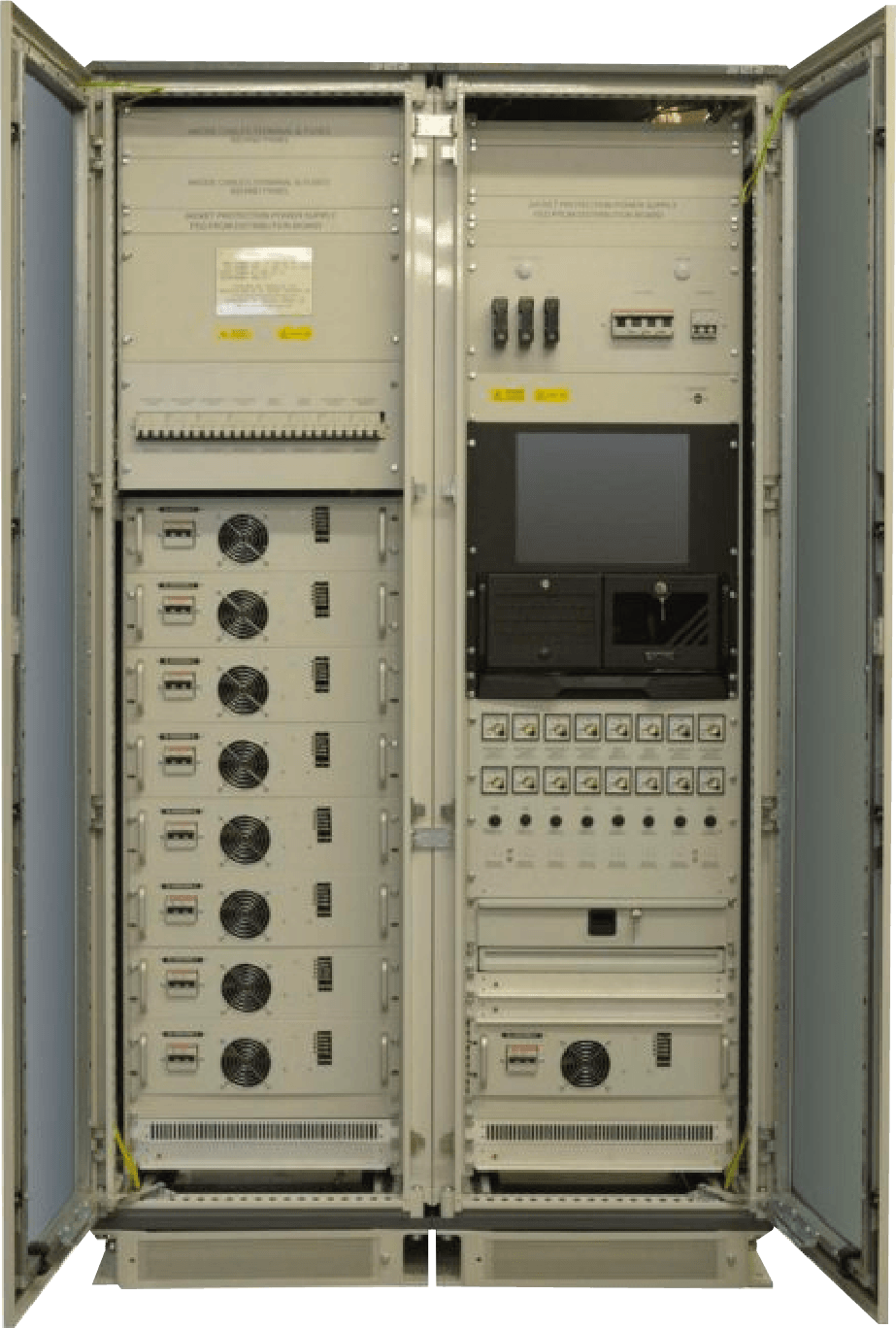
Multi-Megawatt DC conversion for DAC electrodialysis & electrochemical solution regeneration.
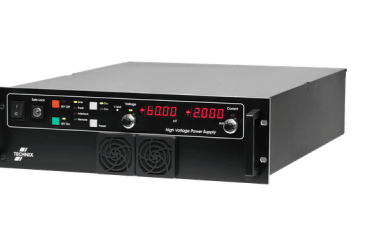
Up to 200 kV HVDC for electrostatic precipitation & flue gas particulate ionization.
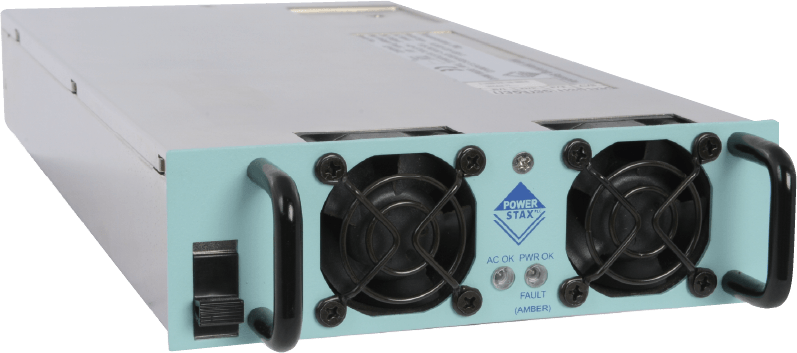
N+1 redundant, configurable power modules for OEM control systems and process sensors.
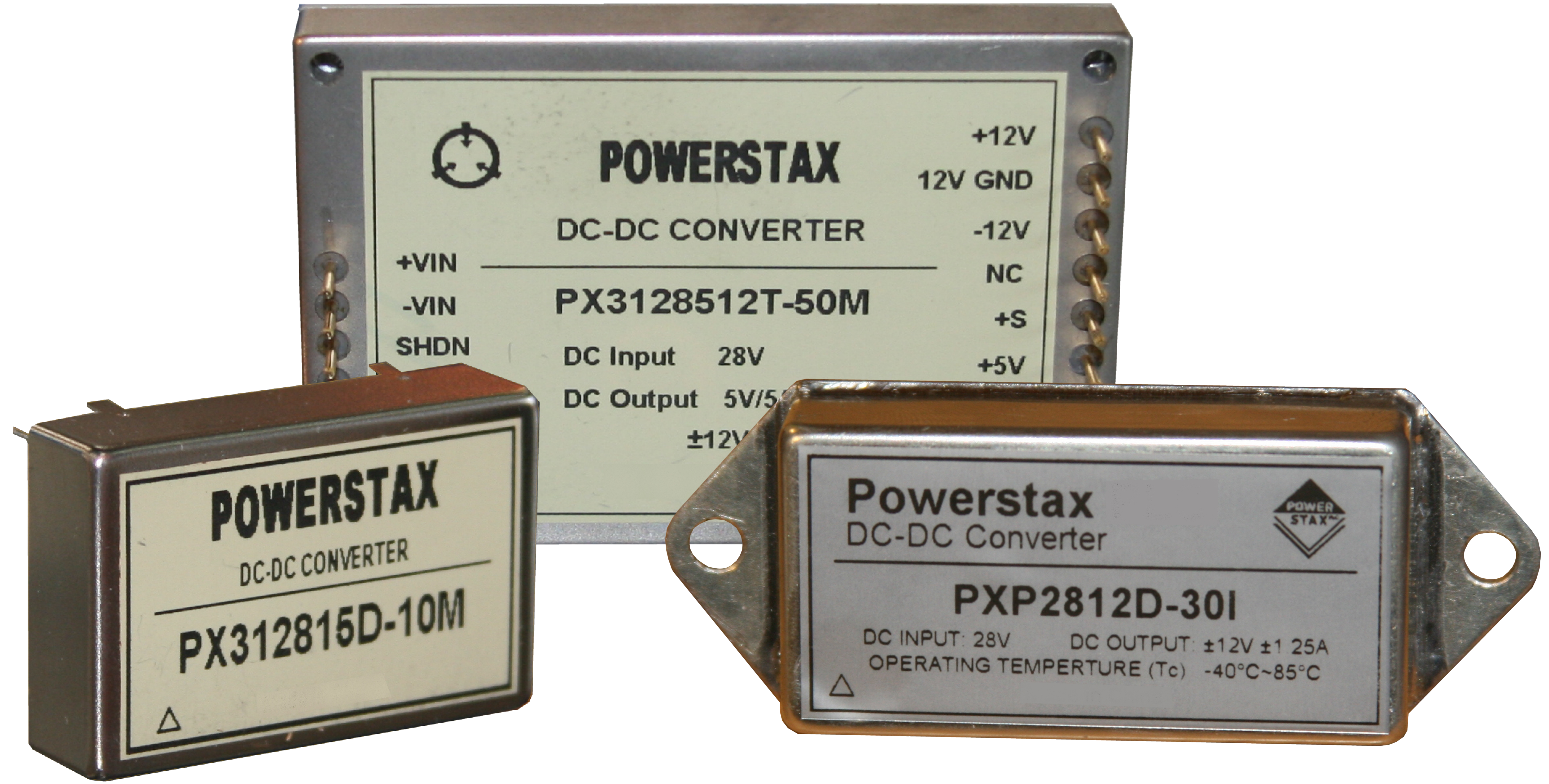
Conformally coated, wide-temperature DC-DC converters for offshore CO₂ storage platforms.
To assist procurement managers and EPC engineering leads in matching system parameters to operational requirements, the table below outlines technical thresholds across Powerstax's primary Carbon Capture Power Solutions portfolio:
| Power Platform | Target CCUS Application | Output Voltage Range | Output Current / Power | Key Engineering Advantages |
|---|---|---|---|---|
| Thyristor-Controlled Rectifiers (DPTR Series) | Direct Air Capture (DAC) Electrodialysis & Amine Solvent Electrolytic Recovery | 0 to 1,000 VDC (Customizable) | Up to 50,000 A / MW Scale | 12/24-pulse low harmonic output, <1% ripple, liquid or forced-air cooling, Modbus/Profinet integration. |
| High Voltage DC Power Systems (SR Series) | Flue Gas Electrostatic Precipitators (ESP) & Plasma Ionization | 1 kV to 200 kV DC | Up to 150 kW per rack enclosure | Arc protection circuitry, ultra-fast dynamic shutdown (<1ms), programmable current limiters, continuous duty. |
| Modular Configurable AC-DC Front Ends | OEM Auxiliary Control Systems, Gas Blowers, Monitoring Instrumentation | 1.5 VDC to 60 VDC | Up to 10 kW Modular Rack Units | N+1 Hot-swappable redundancy, active PFC (>0.98), universal AC input, high power density. |
| Value-Added Custom Power Solutions | Offshore Subsea CO₂ Injection, Aggressive Saline/Amine Process Plants | Bespoke Multi-Rail Configurations | Bespoke Capacity | Ruggedized IP65/IP67 enclosures, customized copper busbar routing, extreme ambient thermal management (-40°C to +70°C). |
From continuous high-current electrochemical cell stacks to pulsed high-voltage gas ionization, Powerstax designs custom topologies tailored to your process chemistry.
High-current thyristor rectifiers optimized for continuous 24/7 electrolytic separation and solvent conditioning.
Precision-regulated HVDC power sources designed to ionize ash, particulates, and fine aerosol contaminants from flue gas streams.
Phase-shifting multi-pulse transformers and active filters designed to prevent utility fines and electrical stress.
Encapsulated magnetics, stainless steel enclosures, and liquid cooling for environments exposed to amine solvents and salt fog.
Analyzing key shifts in how global engineering, procurement, and construction (EPC) contractors and carbon removal developers source critical electrical infrastructure.
As carbon capture projects scale from pilot units capturing thousands of tons per year to commercial mega-hubs sequestering millions of tons of CO₂, procurement strategies are shifting away from monolithic single-point power supplies. Industrial buyers are prioritizing modular, scalable DC rectification architectures. Modular systems allow plant operators to scale capacity incrementally, perform maintenance without shutting down the entire capture train, and maintain high efficiency even when operating at partial capacity.
Electrical power consumption represents up to 70% of the operational expenditure (OPEX) of electrochemical Direct Air Capture plants. A fraction of a percent improvement in rectifier conversion efficiency yields millions of dollars in cumulative savings over a 20-year plant lifecycle. Procurement directors are demanding rigorous efficiency verification, evaluating transformer core losses, switching loss profiles, and parasitic cooling overhead during vendor evaluation.
Next-generation DAC plants are overwhelmingly co-located with dedicated solar PV or off-grid wind farms to ensure net-zero carbon accounting. Consequently, carbon capture power equipment must handle rapid dynamic power ramping without tripping. Powerstax custom rectifiers feature digital controllers capable of tracking microgrid frequency fluctuations and adjusting current output dynamically, allowing smooth operation during solar transient pass-throughs.
High-power rectifiers connected to utility grids can introduce severe voltage distortion and harmonic currents if improperly designed. Grid operators strictly enforce standards like IEEE 519 and IEC 61000-3-12. Global buyers are increasingly requiring power supply vendors to deliver turnkey power factor correction (PFC) and multi-pulse passive/active filtering solutions as standard package deliverables.
How advances in wide-bandgap semiconductors, digital twin controls, and hybrid power topologies are shaping the future of industrial decarbonization.
The industry is transitioning from classic silicon IGBT switch-mode rectifiers to high-frequency Silicon Carbide (SiC) and Gallium Nitride (GaN) power topologies. SiC technology enables higher switching frequencies, drastically reducing the physical footprint and weight of magnetics and filter capacitors while pushing total conversion efficiencies beyond 98.5%. Powerstax actively incorporates SiC components into high-density DC-DC and front-end AC-DC converters for OEM capture systems.
Modern carbon capture facilities demand continuous real-time diagnostic connectivity. Industry 4.0 standards require power rectifiers to communicate via Modbus TCP, CANopen, and Profinet protocols to transmit continuous health metrics—such as junction temperatures, ripple voltage shifts, moisture levels in liquid cooling loops, and harmonic spectrums. Advanced digital twin telemetry enables predictive maintenance before component degradation leads to unscheduled downtime.
To strike an optimal balance between megawatt-scale cost efficiency and precise dynamic response, hybrid power topologies are gaining rapid traction. By coupling high-power thyristor transformer rectifiers (providing bulk DC voltage) with fast-acting switch-mode fine-trim power modules, power systems achieve sub-millisecond dynamic response with low upfront capital expenditure (CAPEX).
Partnering with a British engineering-led power manufacturer backed by full in-house custom capabilities and rigorous international quality standards.
Custom wound transformers and inductors optimized specifically for high-frequency low-loss performance under aggressive continuous electrolytic duty cycles.
Full material batch traceability, rigorous Factory Acceptance Testing (FAT), and Site Acceptance Testing (SAT) protocol execution for all industrial builds.
Custom IP ratings, liquid cooling manifolds, 316 stainless enclosures, and busbar interfaces tailored to existing plant layouts and tight modular skid footprints.
Dedicated engineering assistance operating out of the UK and North America, offering spare parts management, field calibration, and commissioning support.
In-depth technical answers addressing common procurement inquiries, system sizing constraints, and power quality standards in CCUS deployments.
Electrochemical carbon capture processes rely heavily on ion-exchange membranes and catalyst-coated electrodes operating under direct current (DC). Standard AC-to-DC rectifiers often introduce high peak-to-peak AC ripple voltage and current harmonics. High DC ripple leads to localized overheating, accelerated chemical degradation of membrane pores, catalyst delamination, and lost electrical efficiency. Powerstax rectifiers utilize multi-pulse phase shifting and tuned LC filter output stages to deliver DC ripple figures below 1%, maximizing membrane operational lifespan and ensuring predictable levelized CO₂ capture costs.
Carbon capture plants often subject power electronics to extremely harsh atmospheres containing chemical amine vapors, high moisture, or marine saline spray (for subsea/offshore injection platforms). Powerstax designs specialized environmental protection into every carbon capture power unit. Options include conformal coating on all internal PCBs, fully sealed IP65/IP66 stainless steel outer enclosures, split-compartment designs isolating electronic controls from heavy magnetics, and closed-loop liquid-to-air heat exchangers to protect critical switching components from ambient contamination.
Industrial rectifiers operating at high megawatt capacity can introduce significant low-order harmonics (5th, 7th, 11th, 13th) back into the AC supply grid, potentially causing transformer overheating, voltage dips, and non-compliance with local utility regulations. Powerstax addresses grid quality by engineering 12-pulse or 24-pulse phase-shifting transformer rectifiers combined with active front-end (AFE) power factor correction technology. This approach guarantees compliance with IEEE 519 and IEC 61000 standards, maintaining a displacement power factor above 0.95 across wide load operating ranges.
Yes. Many green carbon capture facilities operate directly on dedicated renewable microgrids. Because solar and wind generation varies dynamically based on environmental conditions, the power supply must adjust rapidly without tripping system protections. Powerstax power conversion architectures feature wide dynamic input ranges, fast digital loop controls, and programmable ramping curves that allow the system to throttle DC current output seamlessly in direct response to available renewable input power.
Prior to passing flue gases through chemical solvents or solid sorbent beds, particulate matter, soot, and acid mists must be stripped from the gas stream. High Voltage DC (HVDC) power supplies (operating from 10 kV up to 200 kV) charge micro-particulates via electrostatic precipitators (ESP), causing them to adhere to collector plates. Powerstax HV power supplies feature sub-millisecond arc-suppression logic and programmable short-circuit recovery, allowing continuous maximum ionization without continuous sparkover tripping.
Standard modular units are available on short lead times, while custom engineered megawatt transformer rectifiers typically follow a structured 12-to-24 week engineering lifecycle. Powerstax provides comprehensive project documentation packages including general arrangement (GA) 3D CAD models, electrical schematics, thermal calculations, MTBF analysis, and full Factory Acceptance Test (FAT) sign-offs prior to shipment. Site Acceptance Testing (SAT) and commissioning support are also conducted by our global engineering service team.
Connect with senior Powerstax power conversion engineers today to review your electrical specifications, target power factor, and chemical process cooling requirements.
Contact Us