
30+ Years In-House Design Authority
Engineered in the UK with direct control over transformer winding, solid-dielectric potting, oil-immersion tanks, and proprietary digital control loop firmware.
An authoritative technical evaluation guide for OEM procurement managers, system integrators, and principal electrical engineers specifying high voltage DC conversion, capacitor charging, and megawatt rectifier architectures.
In mission-critical industrial, medical, scientific, and defence environments, high voltage DC power supplies represent the foundational heart of the operational system. Designing, specifying, and procuring these units requires balancing extreme insulation stress, microsecond dynamic load response, partial discharge suppression, thermal density, and total cost of ownership (TCO). Powerstax brings over three decades of British design and manufacturing engineering to mitigate total systemic risk for global procurement teams.
Engineered in the UK with direct control over transformer winding, solid-dielectric potting, oil-immersion tanks, and proprietary digital control loop firmware.
Advanced fast-quenching arc detection and ultra-low stored energy output stages to protect expensive sputtering targets, X-ray tubes, and electron beam guns.
ISO 9001 certified manufacturing, full compliance with IEC 61010, IEC 60601-1, MIL-STD-810/461/704, with 100% factory partial discharge testing (FAT/SAT).
Complete lifecycle protection including spare parts availability, rapid refurbishment, field recalibration, and direct OEM technical assistance.
As global industries accelerate the deployment of high-power green hydrogen electrolysers, next-generation semiconductor fabrication techniques, particle accelerators, additive metal manufacturing, and advanced defense directed-energy systems, the technical and commercial expectations placed upon High Voltage DC Power Supplies are undergoing a fundamental transformation. Procurement leaders can no longer evaluate HV DC units merely as commodity black-box converters; they must analyze long-term technological trajectories to prevent supply chain obsolescence and ensure operational scalability.
Legacy high-voltage power supplies relied heavily on line-frequency 50Hz/60Hz step-up transformers coupled with thyristor control, resulting in massive physical footprints, low power factors, and sluggish response times (100ms–500ms). Modern procurement specifications overwhelmingly prioritize Silicon Carbide (SiC) and Gallium Nitride (GaN) switching topologies operating at frequencies from 50kHz to over 250kHz.
Information Gain Insight: Higher switching frequencies directly reduce the required energy storage ($E = \frac{1}{2} C V^2$) in the high-voltage output filter stage. By substituting bulky film capacitors with high-frequency ferrite structures and SiC MOSFETs, modern HV DC supplies achieve stored output energies under 1 Joule even at 50kV+ operating points. This drastic drop in stored energy eliminates destructive arc damage during load breakdown events without sacrificing output voltage ripple stability.
Global procurement teams are shifting away from 0-10V analog control interfaces toward secure, deterministic digital protocol stacks. Modern automated processing plants demand sub-millisecond status telemetry for predictive maintenance and real-time yield optimization.
Unplanned downtime in high-value production lines—such as vacuum thin-film deposition, electro-chlorination, or ion implantation—carries exorbitant financial penalties. Consequently, systemic redundancy has become a primary decision criterion. Sourcing departments are moving from monolithic 100kW+ single-chassis designs to parallel-connected N+1 modular HV architectures. Modular high voltage systems permit hot-swapping or rapid field-replacement of individual power cassettes, slashing Mean Time to Repair (MTTR) from days to under 30 minutes.
| Technical Feature | Legacy HV DC Supplies (Line-Frequency) | Modern Powerstax HV DC Architecture (SiC / High-Freq) |
|---|---|---|
| Power Density | Low (< 0.1 W/cm³) | High (> 1.2 W/cm³) |
| Stored Output Energy | High (10J – 100J+ at high voltage) | Ultra-Low (< 0.5J – 2J) microsecond safe discharge |
| Dynamic Load Response | Slow (100ms – 500ms) | Ultra-Fast (< 1ms step response) |
| Arc Recovery Speed | Manual or sluggish reset cycle | Automatic adaptive arc quenching (< 2ms) |
| Control System | Analog 0-10V / 4-20mA current loops | Digital EtherCAT / Modbus TCP / PMBus Telemetry |
| Efficiency (Full Load) | 80% – 86% | 93% – 97.5% |
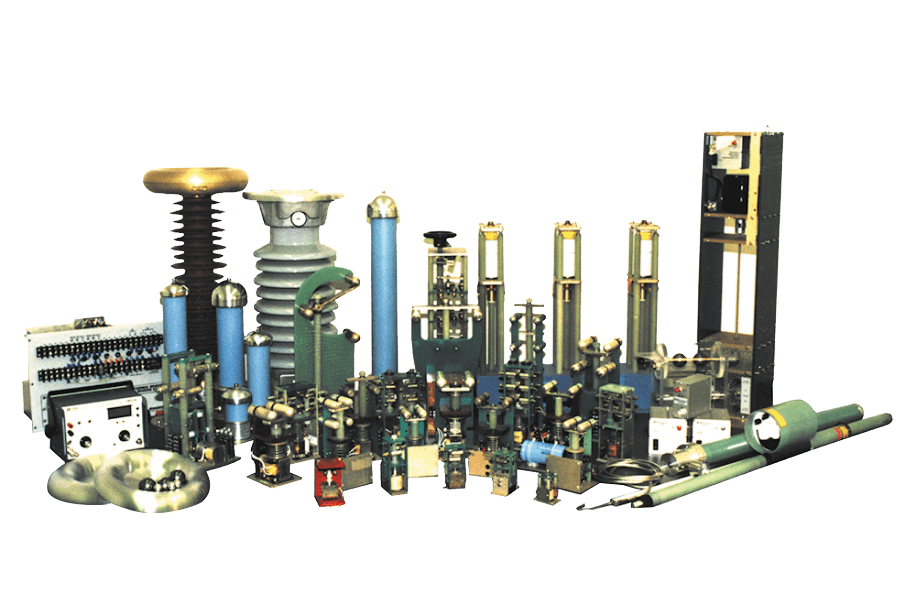
From precision rack-mounted laboratory modules to multi-megawatt industrial rectifiers, Powerstax engineers robust topologies tailored to demanding insulation, thermal, and electrical performance envelopes.
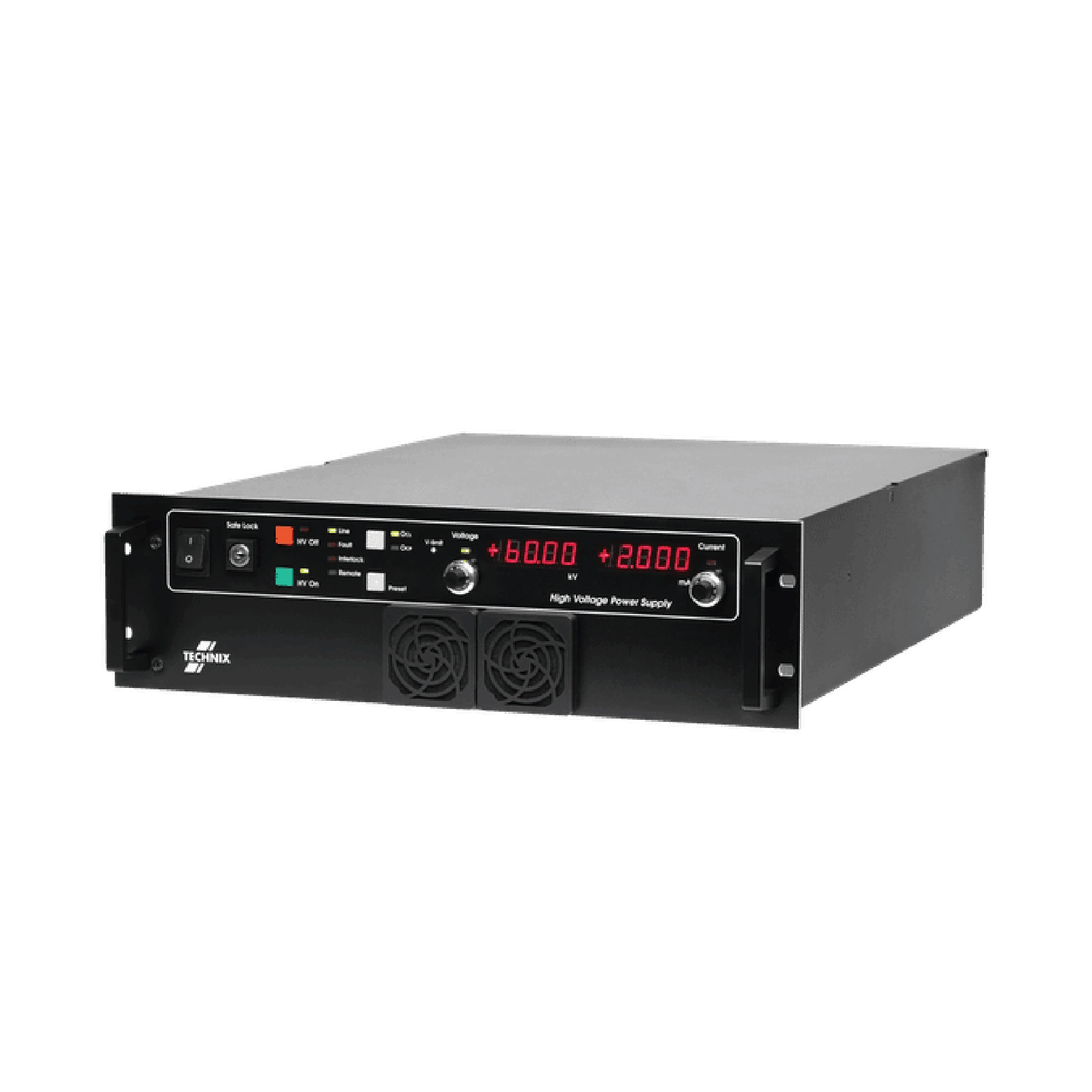
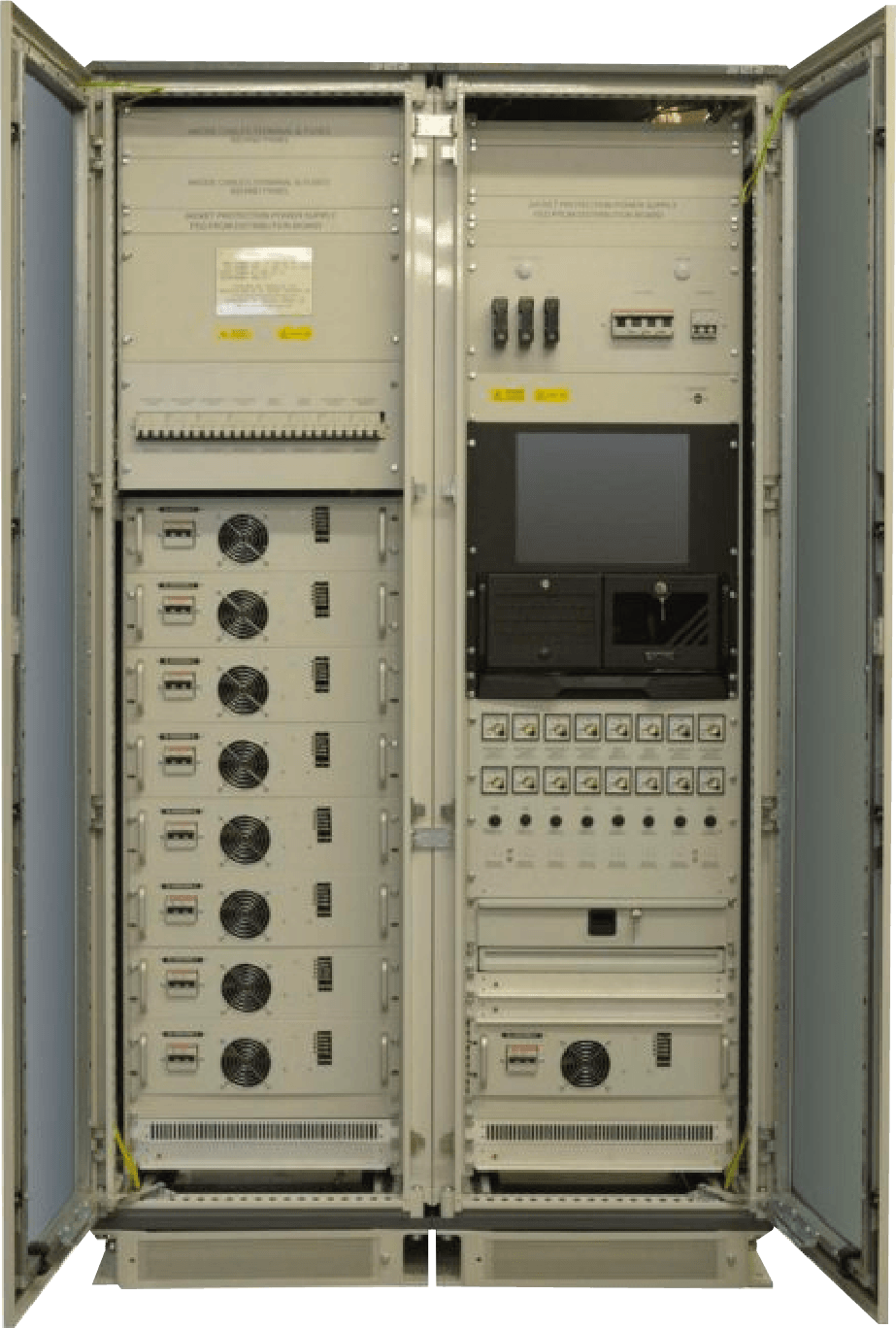
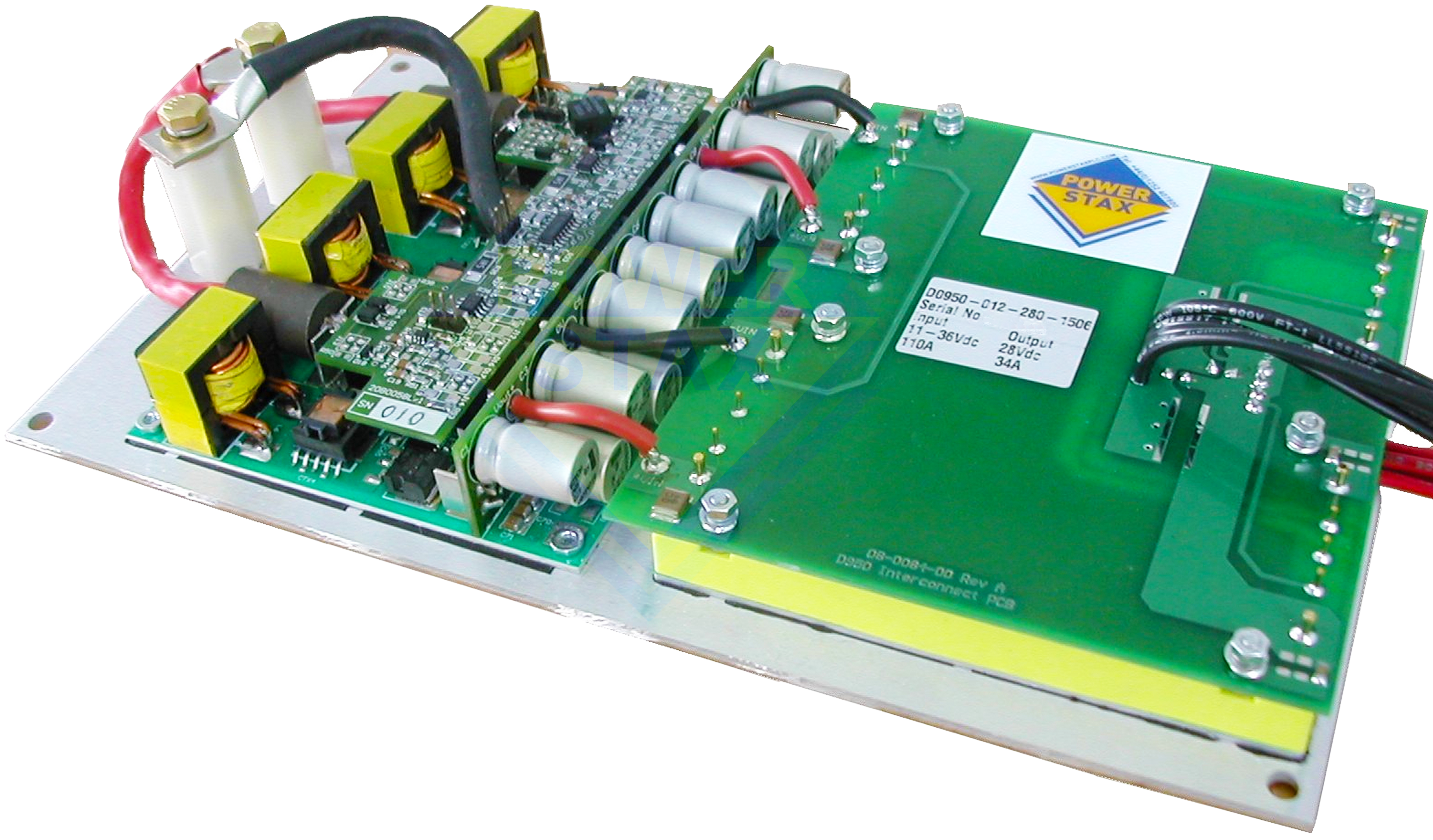
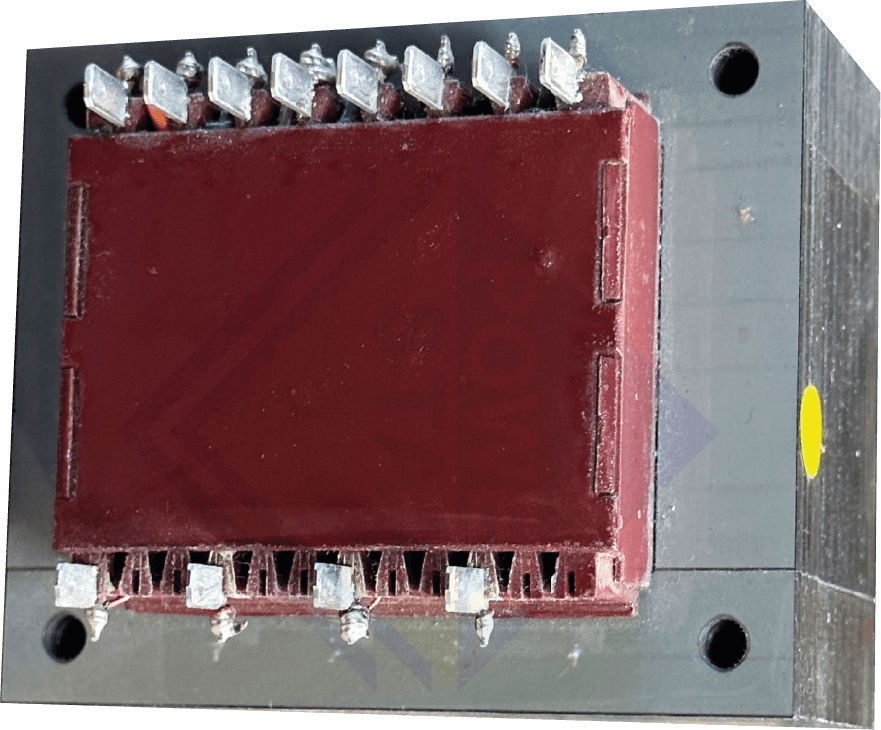
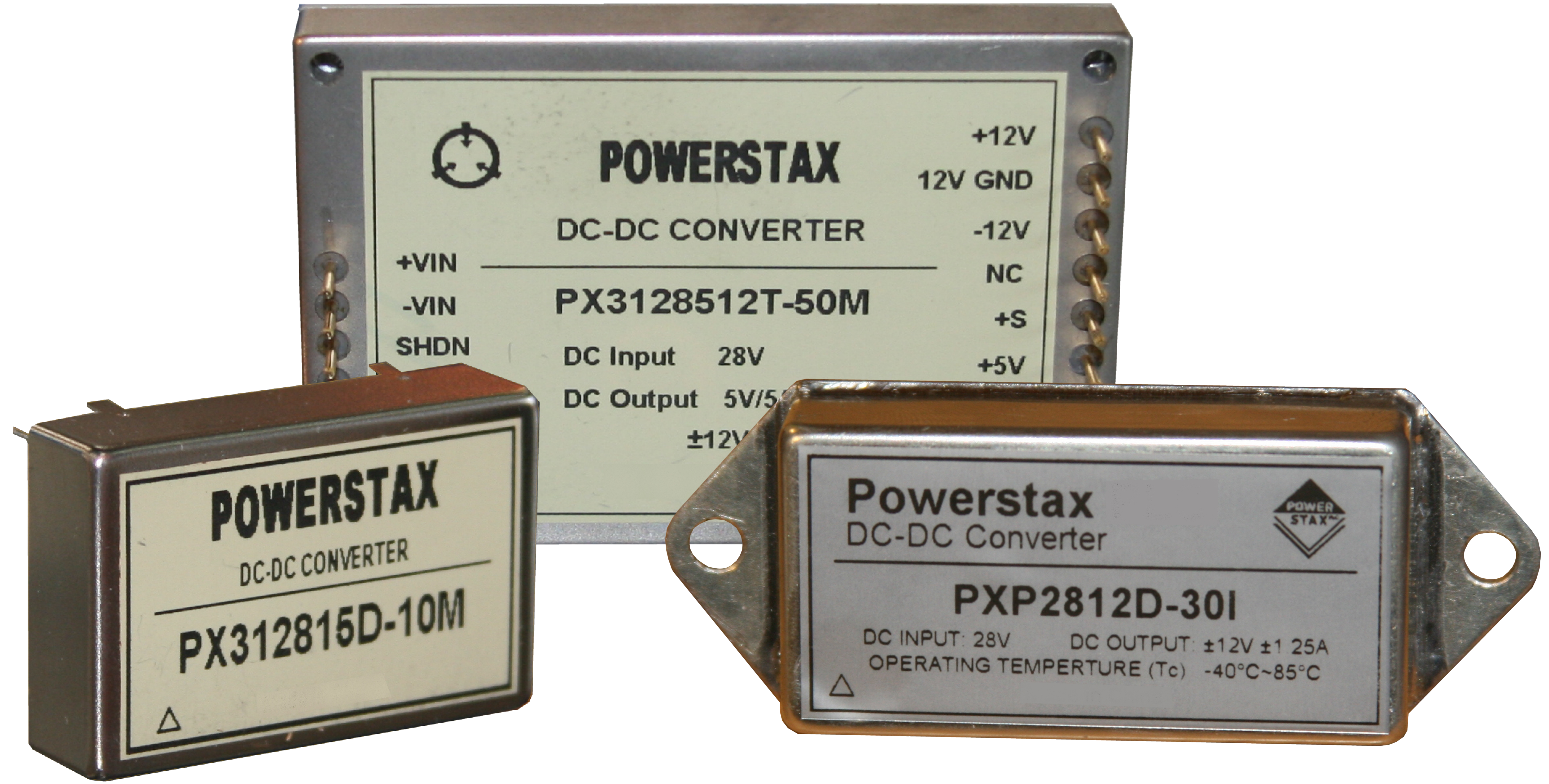
Explore real-world case studies detailing how Powerstax solved complex partial discharge and dynamic load isolation challenges.
High voltage DC engineering demands rigorous isolation management. At kilovolt potentials, electrical breakdown occurs across creepage distances, through dielectric voids, and via corona discharges that gradually degrade insulation materials over time. Powerstax incorporates state-of-the-art physics and thermal modelling to overcome critical failure modes in high voltage systems.
Partial discharge is an localized electrical breakdown of a small portion of a solid or liquid electrical insulation system under high voltage stress. Over months of operation, persistent PD erodes epoxy resins and silicone encapsulants, creating carbon treeing paths that eventually result in catastrophic short circuits.
Powerstax Engineering Standard: All Powerstax encapsulated high-voltage assemblies undergo automated deep-vacuum degassing and precise thermal curing profile cycles. Combined with high-grade silicone elastomeric compounds, our designs maintain partial discharge extinction levels well above the rated peak operating voltage ($V_{extinction} > 1.35 \times V_{nominal}$), ensuring maintenance-free lifespans exceeding 100,000 operational hours.
Applications such as physical vapor deposition (PVD), electron beam welding, and semiconductor plasma etching experience frequent short-circuit micro-arcs due to localized gas ionization or particle ejection. If the power supply fails to detect and extinguish these arcs instantly, the resulting high-current spike will destroy target materials and pit precision electrodes.
High voltage insulation materials (such as potting resins, transformer oil, and ceramic substrates) typically possess poor thermal conductivity compared to structural metals. Dispersing heat generated by high-frequency power semiconductors located inside dense high-voltage multipliers requires advanced thermal pathways.
Powerstax utilizes direct-bonded copper (DBC) alumina substrates, integrated heat-pipe structures, and forced air or liquid cooling plates engineered via Finite Element Method (FEM) thermal simulation. This ensures internal junction temperatures ($T_j$) remain well below design limits, directly boosting system Mean Time Between Failures (MTBF).
Standard platforms cover a broad range of voltages and powers. Our specialized value-added engineering team modifies baseline designs to match custom footprints, harsh environments, and unique control protocols.
Precision regulated output from sub-kilovolt levels to 200kV with line & load regulation down to 0.01%.
Modular rack-mount units up to 150kW, with thyristor transformer rectifiers spanning multi-megawatt capacity.
Fast repetition rate pulsed power chargers engineered for laser, Marx generator, and plasma research duty.
Multi-stage filtering and differential ripple cancellation for noise-sensitive diagnostic imaging and electron beams.
Sealed IP65 enclosures, oil-immersed tanks, and wide operating temperature ranges (-40°C to +85°C).
Designed to comply with IEC 61010-1, UL 61010, IEC 60601-1 medical safety, and CE/UKCA directives.
Selecting a high voltage power supply vendor is a strategic decision that directly impacts operational continuity and brand reputation. Powerstax stands out through technical transparency, engineering agility, and comprehensive lifecycle support.
From concept feasibility and magnetic modeling to Factory Acceptance Testing (FAT) and global site maintenance, every step is executed under rigorous ISO 9001 quality controls.
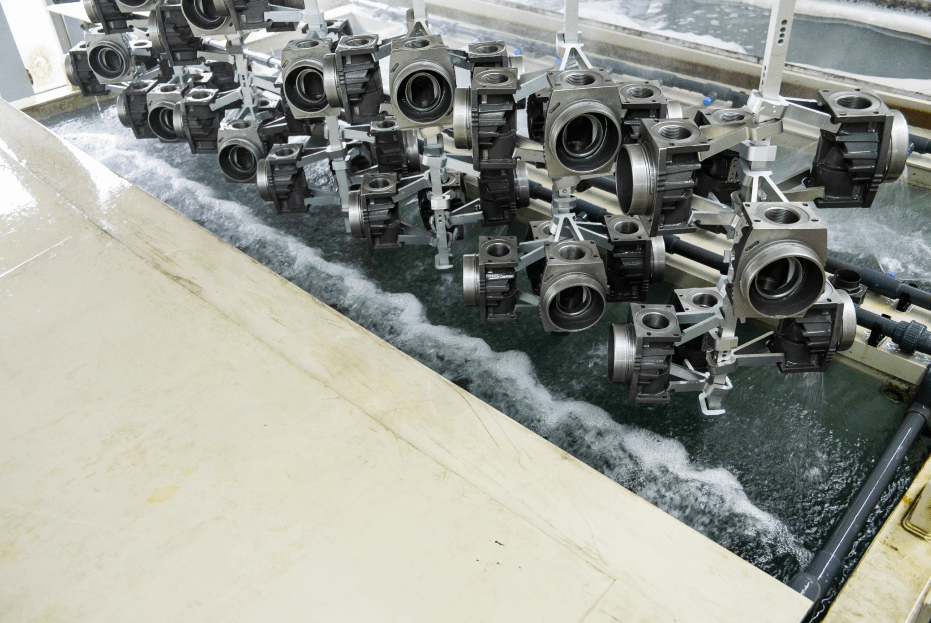
Discover how our high voltage DC power supplies, capacitor chargers, and transformer rectifiers deliver precise voltage stability and thermal resilience across global industrial sectors.












In-depth technical answers to key questions frequently asked when researching High Voltage DC Power Supplies for industrial, medical, and OEM integration.
The dielectric insulation medium is determined by operating voltage, power density, thermal dissipation demands, and environmental exposure:
Voltage ripple introduces high-frequency modulation into the electric fields generated by high voltage DC power supplies. In precision applications:
Powerstax engineered HV DC supplies achieve peak-to-peak ripple levels below 0.05% through multi-stage passive LC filtering combined with fast active feedback ripple-cancellation loops.
Arcs represent instantaneous short circuits ($R \to 0$) that dump stored output energy into the load. Powerstax protects both the power supply and client load using a three-tier defense system:
Standard COTS modules offer shorter upfront purchasing lead times and fixed NRE costs. However, they frequently force system designers to compromise on mechanical envelope, cooling methods, isolation clearances, or communications protocols.
Powerstax Value-Added Engineering bridge this gap by modifying baseline standard power topologies to custom physical enclosures, adding specialized safety interlocks, tailoring arc response timing, or integrating bespoke digital interfaces (EtherCAT/Modbus). This delivers a custom-tailored solution with low design risk and accelerated time-to-market.
Global procurement teams must ensure compliance with IEC 61010-1 (Safety requirements for electrical equipment for measurement, control, and laboratory use) or IEC 60601-1 (Medical electrical equipment safety). For voltages above 1kV DC, standard creepage and clearance tables expand significantly. Powerstax engineers utilize high-dielectric-strength insulators (PTFE, PEEK, alumina ceramics) and controlled solid encapsulation to maintain safety insulation barriers while keeping equipment chassis footprints compact.
High temperature is the primary driver of dielectric insulation breakdown and electrolytic capacitor degradation. According to the Arrhenius rate law, every 10°C rise in operating temperature cuts component operational lifespan in half. Powerstax optimizes thermal paths using direct thermal potting, internal liquid cooling cold-plates, and high-efficiency SiC switching elements, allowing our HV power systems to operate reliably across ambient temperatures from -40°C up to +85°C.
Partner with Powerstax engineering leaders to define voltage ratings, dynamic arc handling, thermal management, and compliance frameworks tailored precisely to your application requirements.
Contact Us