
30+ Years of Manufacturing Integrity
Since 1992, Powerstax has designed, built, and field-tested high-power rectifiers and power modules in the UK, supporting critical operations across Europe, the Americas, and Asia.
Discover advanced Silicon Controlled Rectifier (SCR) topologies, multi-megawatt step-down conversion, total cost of ownership (TCO) optimization, and technical evaluation criteria for enterprise procurement officers and system integrators worldwide.
In heavy electrochemical processing, green hydrogen production, electrochlorination, and primary metal refining, continuous power availability and precise voltage control dictate plant economics. Thyristor Controlled Transformer Rectifiers (TCR) represent the bedrock technology for converting high-voltage AC grid power into regulated, high-ampere DC power under extreme operational duty cycles.
Since 1992, Powerstax has designed, built, and field-tested high-power rectifiers and power modules in the UK, supporting critical operations across Europe, the Americas, and Asia.
We do not assemble off-the-shelf third-party components; our power engineers calculate core losses, design phase-shifting transformers, and program closed-loop SCR firing circuits in-house.
Operated under rigid ISO 9001 quality standards, featuring complete component batch traceability, Factory Acceptance Testing (FAT), and compliance with IEEE 519 and IEC 60146.
From initial thermal modeling and electrical simulation to on-site commissioning, spares, calibration, and full system refurbishment, we protect your plant uptime for decades.
Global procurement managers and plant electrical engineers often face a pivotal decision when specifying multi-megawatt industrial DC power supplies: Should the facility deploy a Thyristor-Controlled Transformer Rectifier (SCR system) or a Switch-Mode Power Supply (SMPS)? Understanding the architectural nuance, thermal performance, and dynamic step-down capabilities of TCR technology is vital for making an optimal long-term investment.
A Thyristor Controlled Transformer Rectifier consists of four fundamental subsystem blocks designed to withstand continuous thermal and electrical stresses:
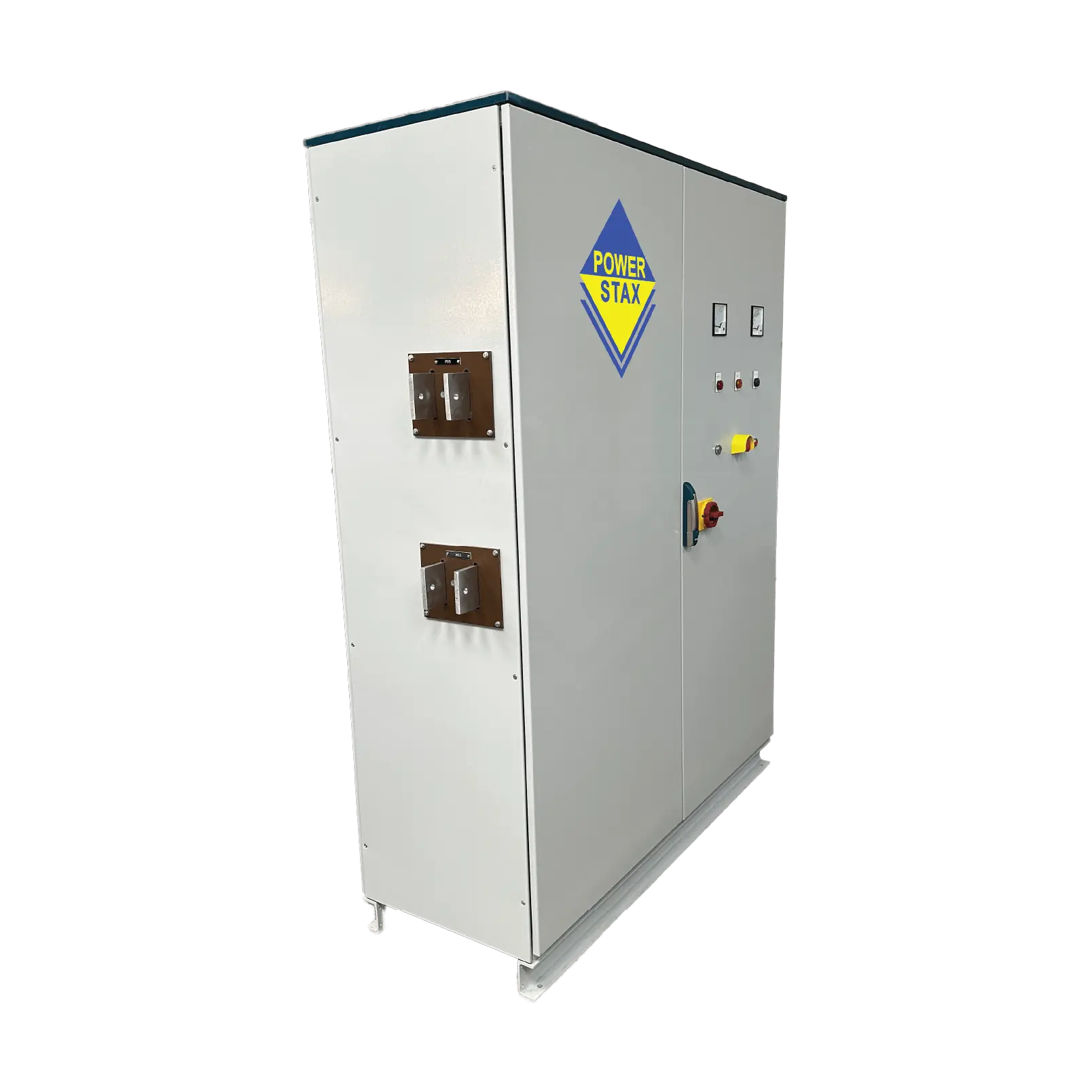
Figure 1: Powerstax DPTR Series Heavy-Duty Thyristor Controlled Transformer Rectifier Architecture
To meet international grid compliance standards such as IEEE 519 and IEC 60146, high-power TCR systems utilize phase-shifting multi-winding transformers to increase the pulse count of the rectified waveform. Higher pulse numbers naturally cancel out lower-order harmonic currents, delivering cleaner energy back to the grid and cleaner DC to the load.
| Pulse Topology | Primary Transformer Configuration | Dominant AC Harmonics (Grid Side) | Typical Output DC Ripple | Target Application & Power Range |
|---|---|---|---|---|
| 6-Pulse SCR | Single Delta-Wye or Delta-Delta | 5th, 7th, 11th, 13th (THDi ~ 28-35%) | ~ 4.5% to 8% (Unfiltered) | Small scale electroplating, pilot plants (< 250 kW) |
| 12-Pulse SCR | Dual Secondary (Delta / Star + Delta / Delta) with 30° phase shift | 11th, 13th, 23rd, 25th (THDi ~ 8-12%) | < 1.5% to 2.5% | Green hydrogen electrolysers, chlor-alkali, large surface treatment (250 kW - 5 MW) |
| 24-Pulse SCR | Quad Secondary with Phase Shifting autotransformer (±7.5°, ±22.5°) | 23rd, 25th, 47th, 49th (THDi < 4%) | < 0.8% Ultra-Low Ripple | Multi-Megawatt hydrogen hubs, continuous metal refining (5 MW to 50 MW+) |
While switch-mode power supplies (MOSFET/IGBT-based) achieve higher switching speeds, their high-frequency semiconductor junctions are sensitive to high ambient temperatures, thermal cycling, and voltage surges common in heavy industrial plants. Thyristors (SCRs) are large-area silicon wafers capable of handling short-circuit fault currents up to 10–20 times rated current for several AC cycles without damage. For heavy continuous chemical operations, TCR remains the undisputed champion of reliability and total life-cycle cost.
Explore our flagship transformer rectifier platforms engineered for demanding continuous-duty applications. Each system can be fully customized for input voltage, current output, enclosure rating, and digital bus integration.
12-Pulse SCR Rectifier platform for electrolysis and electrochlorination up to 2.5 MW per cabinet.
→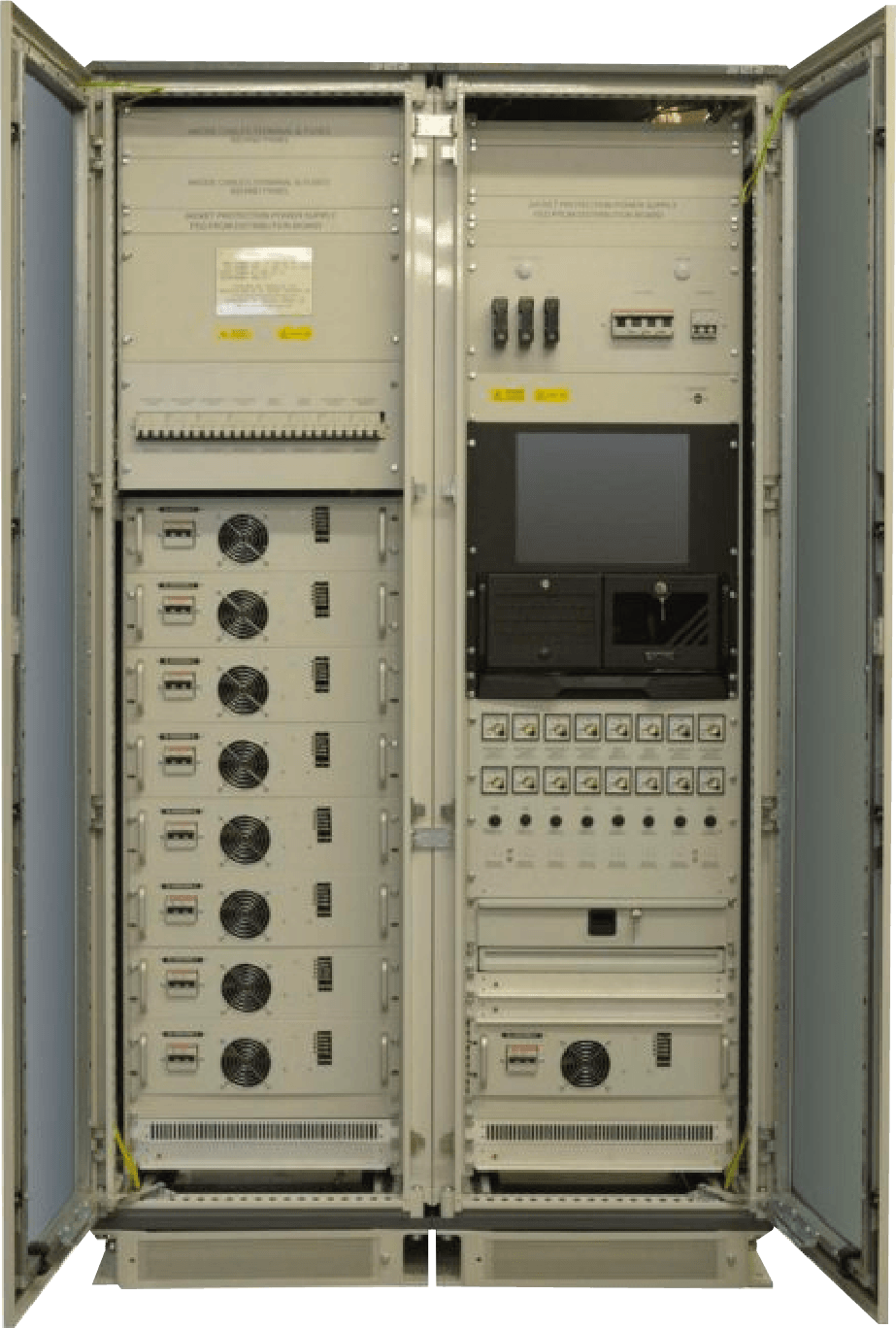
Water-cooled or oil-immersed heavy current rectifier solutions engineered to exceed 50,000 Amperes DC.
→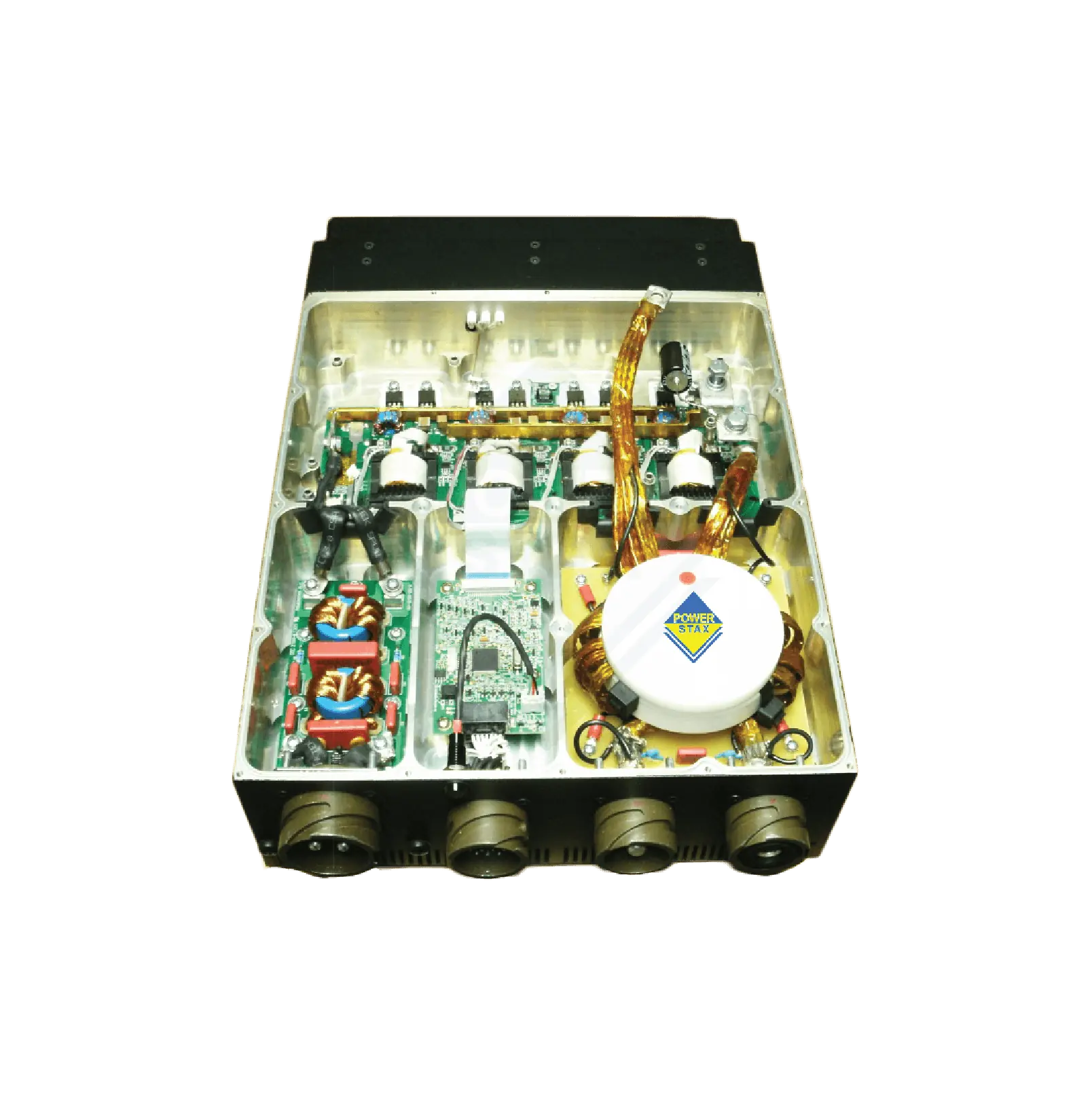
Containerized, outdoor-rated IP65 power conversion skid integrating transformer, SCR, PLC, and chillers.
→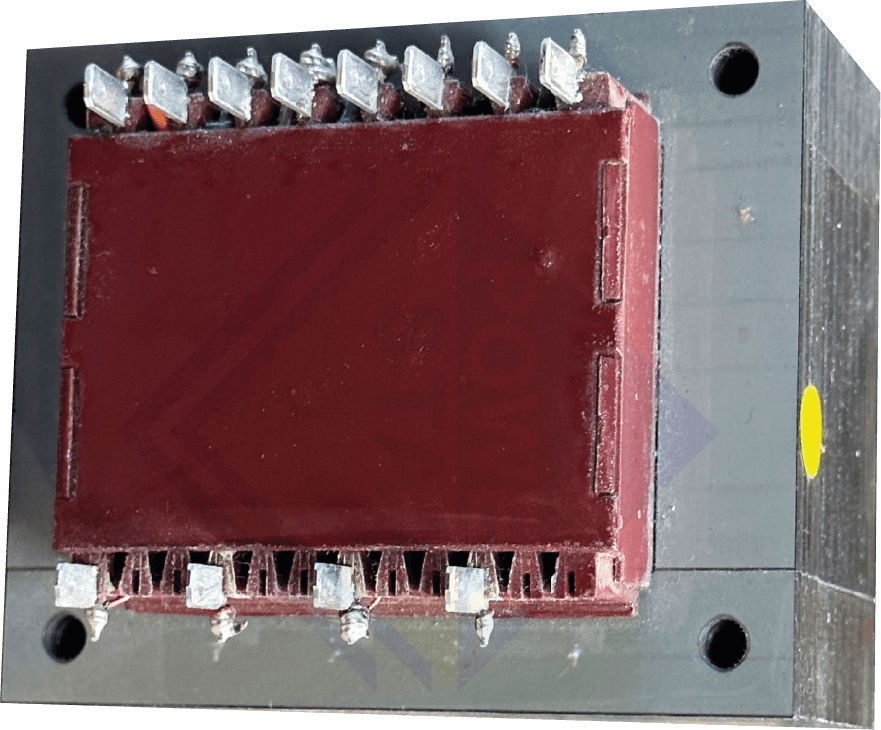
Heavy-duty copper wound transformers designed specifically for thyristor load profiles and thermal harmonics.
→As industrial sectors transition toward net-zero targets and green electrification, the purchasing criteria for high-power DC systems are undergoing a seismic shift. Key considerations for modern procurement heads include:
Electrolyser power supplies must now adapt dynamically to erratic wind and solar inputs. Modern SCR rectifiers require fast phase-firing digital controllers capable of wide range voltage tracking without sacrificing power factor.
Procurement teams are shifting away from evaluating initial purchase price alone. A 1% increase in conversion efficiency in a 10MW rectifier saves hundreds of thousands of dollars in energy costs over a 20-year lifespan.
Industrial rectifiers are no longer silent, isolated boxes. Modern units are supplied with Modbus TCP, Profinet, or EtherNet/IP interfaces transmitting real-time junction temperatures, harmonic levels, and cooling flow rates to plant SCADA systems.
To reduce expensive on-site civil works and commissioning times, global EPCs increasingly specify pre-assembled, containerized outdoor power skids containing transformers, rectifiers, switchgear, and liquid cooling systems.
Power electronics is evolving rapidly. While the fundamentals of thyristor rectification remain rock-solid, next-generation technological enhancements are setting new benchmarks for efficiency, grid interaction, and operational safety.
Emerging multi-megawatt systems combine the high current-handling efficiency of SCR main bridges with small active IGBT active filters on the DC side. This hybrid approach delivers the extreme robustness of thyristors alongside the near-zero ripple and lightning-fast transient response of high-frequency switches.
To operate safely in ultra-high current environments (e.g., 50,000A+) where electromagnetic interference (EMI) can corrupt sensitive control signals, high-end rectifiers now utilize noise-immune fiber-optic triggering vectors directly between the digital controller and SCR pulse cards.
Transitioning away from conventional mineral oils, next-generation transformers and liquid-cooled thyristor heat sinks utilize biodegradable synthetic esters and deionized water loop circuits, reducing fire risk and environmental impact in coastal or sensitive green hydrogen installations.
Embedded edge processors calculate real-time degradation of internal semiconductor junctions based on operational load history and ambient temperature profiles, notifying maintenance teams months before an SCR element or filter capacitor approaches end-of-life.
Answers to the most critical technical and commercial questions posed by plant engineering teams, procurement leads, and EPC contractors during project evaluation.
To provide an accurate technical design and price proposal, our engineering team requires: (1) Rated DC Output Voltage (V DC) and Maximum Current (A DC); (2) Incoming AC Mains Grid Voltage and Frequency (e.g., 400V 3-phase 50Hz, 11kV 60Hz); (3) Target Application (Hydrogen PEM/Alkaline Electrolysis, Electrochlorination, Plating, Cathodic Protection); (4) Required Cooling Method (Forced Air, Water-Cooled, Oil Immersed); (5) Enclosure IP Rating & Environment (Indoor clean room vs. Outdoor coastal harsh IP65 container); and (6) Preferred Communications Protocol (Modbus TCP, Ethernet/IP, Analog 4-20mA).
Electrolyser membranes (both PEM and Alkaline) degrade rapidly when exposed to high AC ripple currents, which cause localized heating and electrochemical stress. Powerstax prevents this by engineering custom 12-pulse or 24-pulse phase-shifting transformer configurations combined with heavy copper-wound interphase inductors and multi-stage LC filter networks, consistently delivering DC output ripple below 2% across the entire operating firing angle spectrum.
Overall system efficiency (including transformer losses, thyristor forward voltage drops, interphase reactors, and auxiliary cooling power) typically ranges between 94% and 97.5% at full rated load, depending on output voltage levels. Higher voltage DC systems achieve greater overall efficiency due to smaller relative semiconductor voltage drops.
At full load (alpha firing angle near 0°), SCR rectifiers operate at a high power factor (~0.92 to 0.95). However, when phase-firing is delayed to reduce output DC voltage, the displacement power factor drops proportionally. Powerstax solves this challenge by offering integrated switched capacitor banks, active power factor correction (PFC) units, or step-regulating tap changers on the transformer primary to keep the thyristors operating at optimal firing angles during reduced output conditions.
Every Powerstax rectifier unit undergoes rigorous in-house Factory Acceptance Testing (FAT) prior to dispatch. Testing encompasses insulation resistance, dielectric withstand (Hi-Pot), full-load thermal run-in, output voltage ripple measurement, harmonic spectrum analysis, and safety shutdown verification. Deliverables include complete FAT reports, schematic drawings, maintenance manuals, bill of materials (BOM), ISO 9001 quality certificates, and CE/UL compliance declarations.
Yes. Powerstax specializes in modified-standard and fully custom value-added solutions. We routinely build robust stainless steel 316 enclosures, NEMA 4X / IP66 sealed cabinets with air-to-water heat exchangers, and fully insulated ISO container skids fitted with fire suppression and environmental HVAC systems for marine, offshore, and tropical environments.
Selecting a long-term partner for high-power rectification requires more than matching specs—it requires proven field reliability, deep design authority, and responsive post-installation service.
Our power systems operate continuously in harsh electrochemical environments worldwide, with legacy units exceeding 25 years of uninterrupted duty.
Our senior engineering team handles magnetic core design, thermal modeling, digital control firmware, and EMC pre-compliance internally—no outsourcing.
Engineered and manufactured in accordance with strict British quality standards, compliant with international codes (IEC, IEEE, ISO, CE, RoHS).
From initial feasibility study to FAT/SAT commissioning, routine calibration, spare parts availability, and factory refurbishment, we protect your asset investment.
Our Thyristor Controlled Transformer Rectifiers power mission-critical processes across multiple industrial vectors.


Send your voltage, current, cooling, and grid requirements directly to our senior power engineers for expert analysis and a comprehensive proposal.
Get a Quote