UK / Europe: +44 1268 568200 USA / Canada: +1 877 215 8463
in
British Engineering Excellence · ISO 9001 Certified Since 1992

Electrochlorination Power Systems Engineered for Maximum Electrolytic Yield & Lowest TCO

High-current DC Transformer Rectifiers and Switched-Mode Power Supplies custom designed for continuous sodium hypochlorite production, marine ballast water treatment, power plant cooling circuits, and offshore biofouling control.

30+Years Power Experience
96%+Electrical Efficiency
Multi-MWRectifier System Range
IP66 / NEMA 4XHarsh Marine Enclosures
Expertise & Structural Authority

Next-Generation Electrochlorination Power Systems: Optimizing Continuous On-Site Hypochlorite Generation

Electrochlorination is the cornerstone technology for biofouling prevention, municipal water disinfection, industrial cooling water treatment, and marine ballast water management (BWMS). At the heart of every high-performing electrochlorination plant lies an engineered DC power supply system. Powerstax designs and manufactures precision-regulated **Electrochlorination Power Systems** that convert raw three-phase AC mains grid energy into high-current, low-ripple DC power optimized for electrolytic cell polarization.

Electrochemical Cell Efficiency

Engineered current density control minimizes voltage drops across mixed metal oxide (MMO) titanium anodes, increasing active chlorine production per kilowatt-hour by up to 8% compared to uncalibrated legacy rectifiers.

Harmonic Suppression & Low Ripple

Sub-3% DC current ripple prevents premature noble metal catalyst erosion, extending titanium anode operational lifespan past 7 years while maintaining compliance with IEEE 519 grid harmonic limits.

Extreme Marine & Industrial Durability

Housed in IP54 to IP66 sealed enclosures with liquid-to-air or water-cooled thermal management, built specifically for saline, humid, and corrosive coastal or offshore ATEX/IECEx environments.

Autonomous Polarity Reversal

Integrated solid-state dynamic polarity reversing controls automate cathode descaling, reducing chemical clean-in-place (CIP) acid washing cycles by over 60%.

Engineering Domain Knowledge

Understanding the Critical Physics of Electrochlorination DC Power

Procurement engineers and plant operators often ask: "Why can't standard industrial DC power supplies be used for electrochlorination?" The answer lies in the harsh, highly non-linear electrochemical behavior of electrolysis cells operating under fluctuating seawater temperatures and salinities.

In electrochlorination systems, seawater (or prepared brine solution containing $NaCl$) passes through an unseparated electrolytic cell. Applying a direct electrical current triggers the chemical reaction:

2 NaCl + 2 H₂O + Direct Electrical Current (DC) → 2 NaOH + Cl₂ + H₂ → NaOCl + NaCl + H₂ ↑

The efficiency of producing Sodium Hypochlorite ($NaOCl$) is directly tied to the precise dynamic control of current density ($A/m^2$) across the anode surfaces. Fluctuations in feed water temperature, conductivity, and flow rates cause sudden impedance shifts in the cell array. Standard power supplies suffer from thermal drift, phase unbalance, and high current ripple—phenomena that lead to localized micro-arcing, accelerated iridium/ruthenium oxide coating wear, and massive energy waste.

Information Gain Insight: The Impact of DC Ripple on Anode Degradation

Research confirms that AC ripple voltages present on direct current lines induce periodic capacitive charging cycles within the Titanium Oxide-Substrate interface. High ripple levels (>5%) accelerate catalytic layer oxidation, leading to premature cell failure. Powerstax Electrochlorination Power Systems utilize multiphase thyristor phase-shifting or high-frequency switch-mode topologies with passive/active LC output filters to maintain current ripple below 3%, directly prolonging anode asset life and protecting multi-million-dollar plant investments.

Recommended Platform Architecture

Powerstax Electrochlorination Power Systems & Rectifiers

Explore our specialized electrochlorination power product lines, engineered for continuous 24/7 industrial duty, high efficiency, and seamless PLC integration.

DPTR Series Thyristor Rectifiers

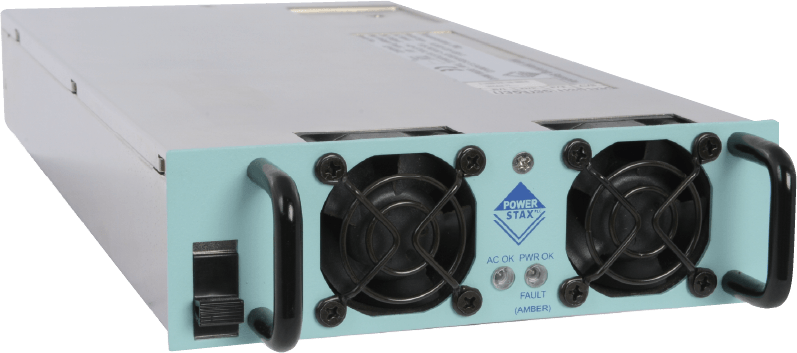
Thyristor Controlled Electrochlorination Transformer Rectifier

Heavy-duty 6-pulse and 12-pulse thyristor systems engineered for multi-megawatt coastal desalination and cooling water treatment facilities.

Get a Quote

High-Frequency SMPS Rectifiers

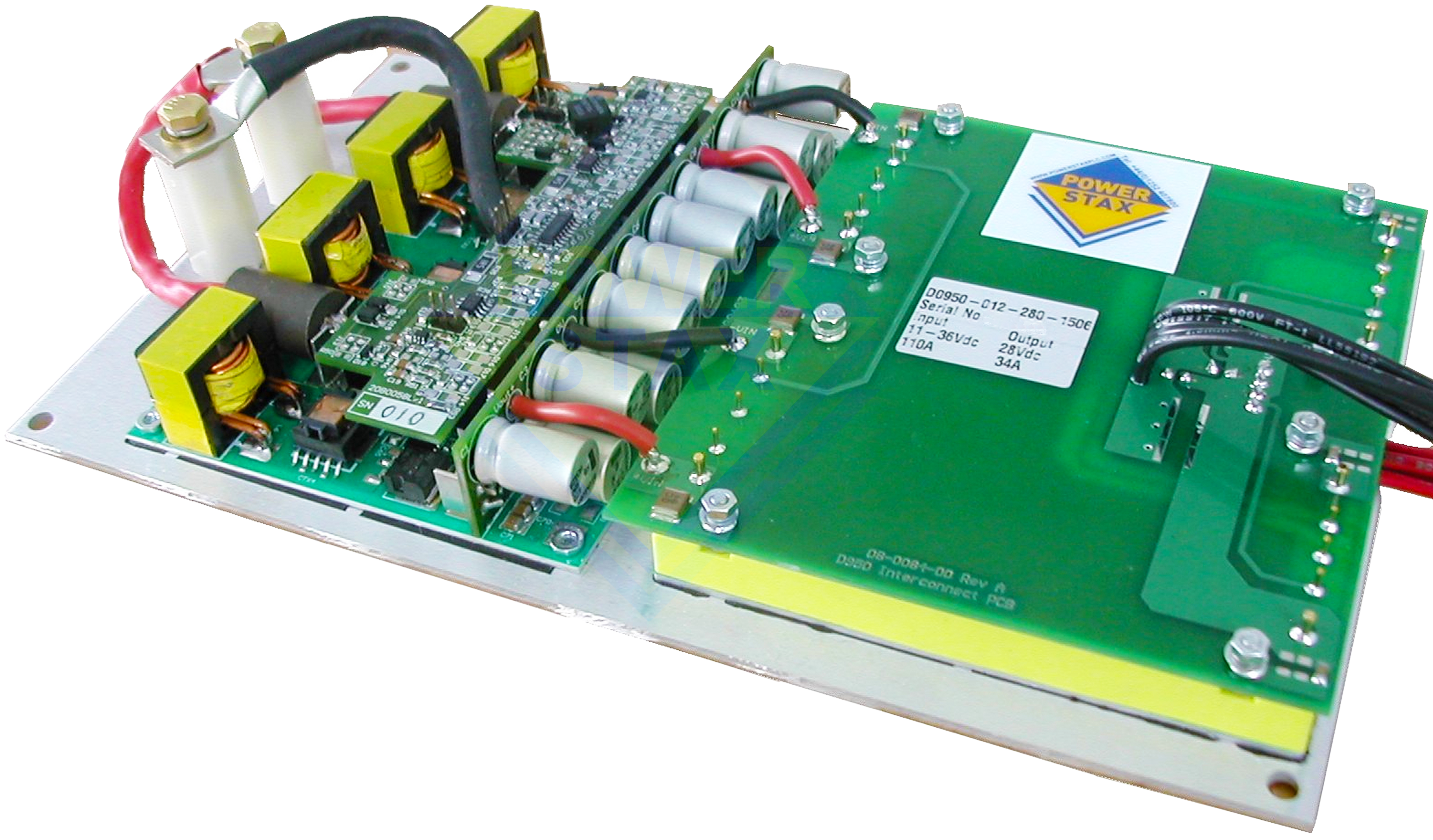
Switch Mode Power Supply Rectifier for Electrochlorination

Modular IGBT-based switched-mode power conversion units offering ultra-high efficiency (>95%), near-unity power factor, and rapid dynamic response.

Get a Quote

Polarity-Reversing Electrochlorination PSUs

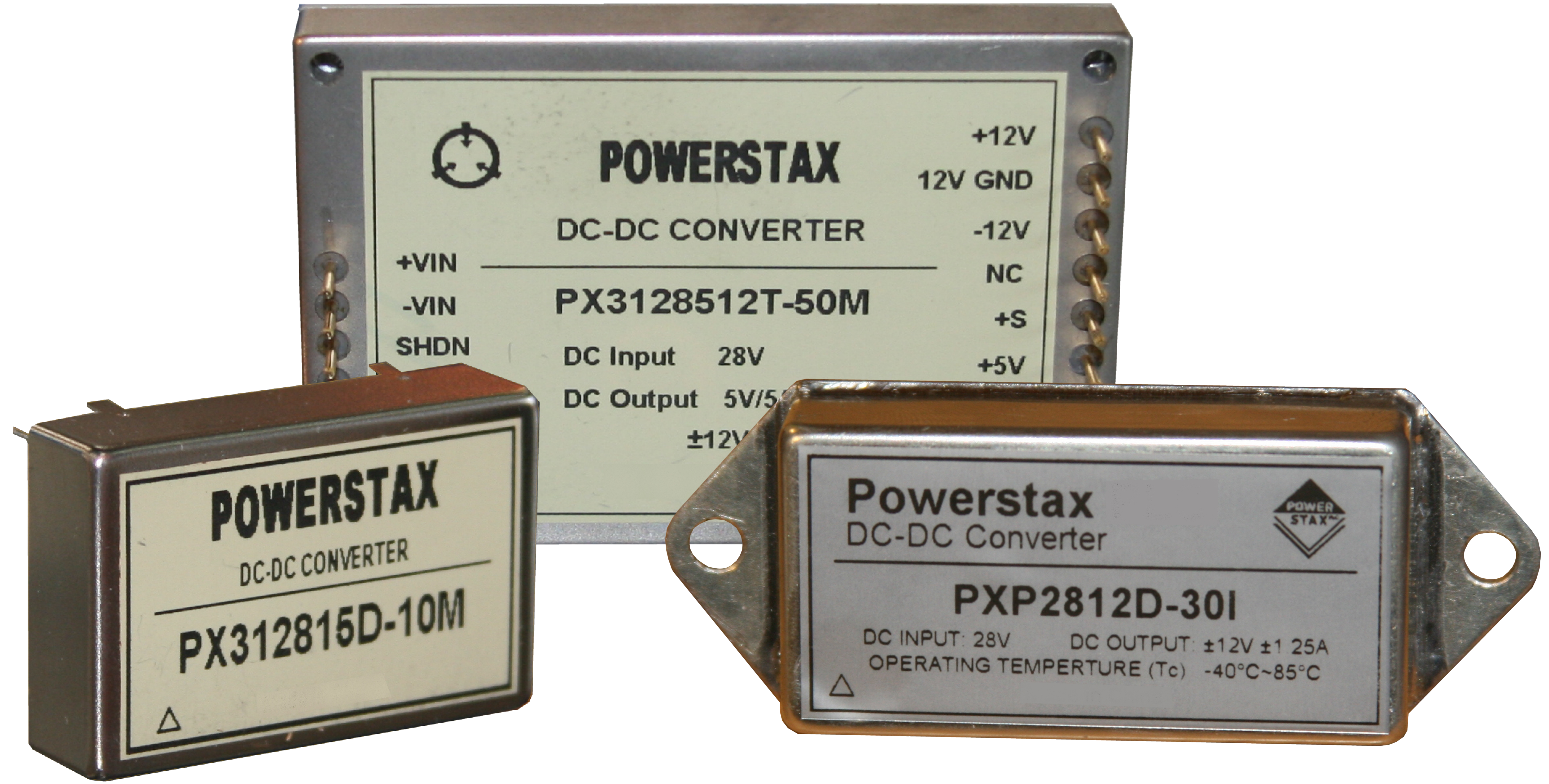
Custom Polarity Reversing Power System

Integrated H-bridge solid-state polarity reversing power units engineered to descaling cell cathodes automatically without downtime.

Get a Quote

Containerized Marine BWMS Rectifiers

Marine Ballast Water Management System Power Module

Compact, liquid-cooled, high IP-rated DC rectifiers designed for commercial vessel ballast water treatment and offshore platform biofouling control.

Get a Quote
Product Architecture Output Power Envelope Input AC Voltage Cooling Options Efficiency & PF Primary B2B Target Application
DPTR Thyristor Rectifier 50 kW up to 5 MW+ (Custom) 380V – 690V, 3-Phase 50/60Hz Forced Air / Water-Cooled / Oil Immersed Efficiency: >92% | PF: 0.88-0.94 Municipal Water, Power Plant Seawater Intakes
Modular IGBT SMPS System 10 kW to 500 kW per rack 208V – 480V, 3-Phase Direct Liquid Cooling / Forced Air Efficiency: >96% | PF: >0.98 Marine BWMS, High-Efficiency On-site Hypochlorite
Polarity-Reversing DC PSU 20 kW to 1.5 MW 400V – 480V, 3-Phase Air-to-Water heat exchanger / Liquid Efficiency: >94% | PF: 0.95 Self-Cleaning Electrochlorination Cells
Ruggedized Marine Power Rack 15 kW to 300 kW Modular 440V – 690V Marine Grade AC Closed-loop Water-Glycol Cold Plate Efficiency: >95% | PF: >0.97 FPSO Vessels, Commercial Marine & Offshore Wind
Strategic Market Intelligence

Future Trends in Electrochlorination Power Systems Procurement

As global environmental mandates tighten and industrial facilities focus on decarbonization and operational optimization, procurement directors and engineering consultants must anticipate several structural technological shifts.

1. Transition to Modular High-Frequency Switch-Mode Rectifiers

While traditional thyristor-controlled transformer rectifiers remain dominant in multi-megawatt continuous plants due to their extreme durability, modern procurement specifications are increasingly demanding High-Frequency IGBT Switch-Mode Power Supplies (SMPS). SMPS platforms deliver near-unity power factor (>0.98), lower harmonic distortion (<3% THD without bulky external filters), and N+1 redundancy. If a single module fails, the system continues running at capacity, preventing complete process shutdowns.

2. Integration of AI-Driven Predictive Maintenance & Digital Twin Protocols

Modern B2B buyers no longer accept simple analog control meters. Future-ready electrochlorination power systems feature integrated Modbus TCP, Profinet, and EtherNet/IP digital interfaces equipped with high-speed sampling of output voltage, current ripple metrics, thermal node readings, and transformer insulation health. These telemetry vectors feed into plant-wide SCADA and AI analytical engines to predict cell scaling and anode depletion months before physical degradation occurs.

3. Demand for Closed-Loop Liquid Cooling in Harsh Saline Ambient Environments

Air cooling in coastal desalination plants or marine engine rooms draws in salt-laden, humid air that damages electronic componentry over time. The industry is rapidly shifting toward closed-loop liquid-to-water heat exchangers or direct cold-plate cooling systems. By isolating internal power semiconductors inside hermetically sealed IP65/IP66 enclosures, system maintenance costs drop drastically while mean time between failures (MTBF) exceeds 100,000 operational hours.

4. Green Hydrogen Co-Generation & Hybrid Power Coupling

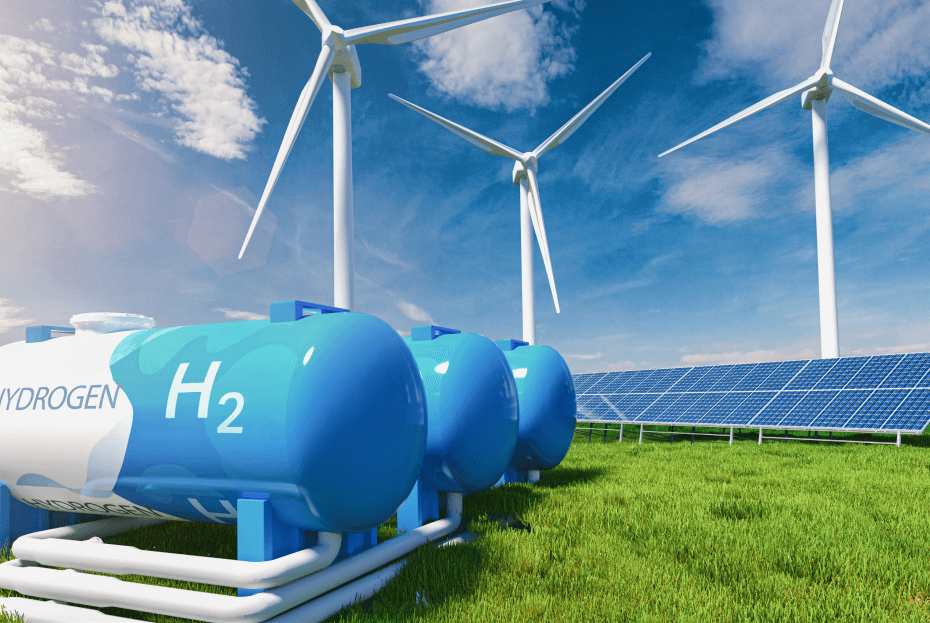
Emerging electrochlorination facilities are capitalizing on hydrogen byproduct gas evolved at the cathode ($H_2$). Next-generation rectifiers are designed to interface directly with renewable microgrids (solar PV and wind DC buses), dynamically throttling electrolysis power based on real-time electricity pricing while safely managing peak gas generation limits.

Corporate Heritage & Capability

Why Global EPCs & Industrial OEMs Trust Powerstax

Since 1992, Powerstax has engineered value-added and custom power supplies for mission-critical industrial, medical, and defence applications. Our electrochlorination power systems are built on decades of field-proven power electronics mastery.

In-House Magnetics Design

Custom Transformer Engineering

Unlike assemblers who purchase off-the-shelf components, Powerstax designs and winds high-frequency inductors and power transformers in-house, ensuring optimum impedance matching and thermal dissipation for electrochlorination duty cycles.

Compliance & Traceability

ISO 9001 & Full Certification

Manufactured under strict ISO 9001 quality management procedures with complete component batch traceability, FAT/SAT site testing documentation, WEEE & RoHS compliance, and optional marine classification approval (DNV, ABS, Lloyd's Register).

Custom Mechanical Tailoring

Bespoke Enclosures & Busbars

Whether your footprint requires top-entry copper busbars, custom IP ratings, containerized skids, or retrofitting legacy rectifier dimensions, our engineering team tailors the electrical and mechanical packaging to your exact site layout.

Lifecycle Partnership

30+ Years Global Field Support

From initial simulation and EMC pre-compliance through to commissioning, spare parts supply, calibration, and on-site refurbishments, Powerstax provides lifelong technical backing to protect your infrastructure investment.

Procurement & Engineering Intelligence

Frequently Asked Questions (FAQ) on Electrochlorination Power Systems

Answers to critical technical, operational, and financial inquiries routinely evaluated by procurement officers, system integrators, and plant engineers when selecting electrochlorination rectifiers.

1. How does DC current ripple affect electrochlorination cell efficiency and anode lifespan?

DC current ripple is one of the most significant factors determining the operating cost and longevity of electrochlorination cells. High ripple (>5%) causes rapid cycling of the electrolytic double layer on the titanium anodes coated with Mixed Metal Oxides ($RuO_2 / IrO_2$). This electrical stress causes active catalytic material to flake off prematurely, reducing chlorine production rate per kilowatt and requiring costly cell replacements. Powerstax rectifiers are designed with low-pass passive filtering or high-frequency switching to guarantee current ripple levels under 3% across the entire 10% to 100% operating turn-down range.

2. What is the difference between Thyristor Rectifiers and IGBT Switch-Mode (SMPS) for electrochlorination?

Thyristor (SCR) Rectifiers utilize phase-angle control at grid frequencies (50/60Hz). They are extremely robust, offer virtually unlimited power capacity (multi-megawatt), and possess high immunity to grid voltage surges, making them ideal for large municipal seawater intake plants. However, they feature lower power factor at reduced output voltages and require larger physical transformers.
IGBT Switch-Mode Power Supplies (SMPS) operate at high switching frequencies (10kHz – 100kHz). They are significantly smaller, lighter, achieve energy efficiencies over 95%, maintain a power factor near 0.99, and respond dynamically to salinity variations within milliseconds. SMPS platforms are preferred for marine ballast water systems, modular containerized units, and energy-conscious plants.

3. How does solid-state polarity reversal eliminate cathode scaling in electrochlorination systems?

In seawater electrochlorination, calcium ($Ca^{2+}$) and magnesium ($Mg^{2+}$) ions migrate toward the negatively charged cathode, precipitating as hardness scales ($CaCO_3$ and $Mg(OH)_2$). Over time, scale buildup chokes seawater flow and increases electrical resistance. A polarity-reversing electrochlorination power system periodically flips the anode and cathode electrical polarities (e.g., every 1 to 4 hours). Reversing the current causes the newly created acidic environment at the temporary anode to dissolve the deposited scale naturally, eliminating the need for frequent hazardous acid washing (Clean-in-Place / CIP) and reducing plant downtime.

4. What cooling architecture should be specified for electrochlorination rectifiers in harsh coastal or marine environments?

Coastal and marine environments contain corrosive airborne ocean salts and high humidity. Standard air-cooled power supplies pull ambient air directly across internal circuit boards, causing rapid corrosion and short circuits. For these environments, Powerstax recommends either:
1) Closed-Loop Liquid Cooling (Water-to-Water / Glycol Heat Exchanger): Heat from internal power electronics is transferred via cold plates to an isolated liquid loop, allowing the outer enclosure to be fully sealed to IP65/IP66 or NEMA 4X standards.
2) Air-to-Air Heat Exchangers with Coated PCBs: Where water cooling is unavailable, sealed air-to-air exchangers paired with conformal-coated electronics ensure salt air never touches internal semiconductors.

5. Can Powerstax electrochlorination power supplies integrate with existing facility PLC and SCADA systems?

Yes. Every Powerstax electrochlorination power system is equipped with modern programmable control interfaces. Standard options include isolated 4-20mA / 0-10V analog signals for remote voltage/current programming and feedback, as well as industrial Ethernet protocols including Modbus TCP/RTU, Profibus, Profinet, and CANbus. Operators can monitor voltage, current, power factor, thermal status, fault diagnostics, and run-hours in real time from a central control room.

6. What are the typical electrical efficiency and total cost of ownership (TCO) benefits of upgrading legacy rectifiers?

Legacy electrochlorination rectifiers often operate at electrical efficiencies between 80% and 86% with poor power factor (<0.80), attracting utility penalty fees for reactive power. Upgrading to a modern Powerstax IGBT SMPS or optimized 12-pulse thyristor system raises operating efficiency to 94%-96% and power factor to >0.95. For a typical 500 kW continuous electrochlorination plant operating 8,000 hours per year, a 10% efficiency gain saves over 400,000 kWh annually—translating to tens of thousands of dollars in direct electricity savings per year and full CapEx payback within 18 to 24 months.

7. How does Powerstax assist EPC contractors with custom power supply specifications?

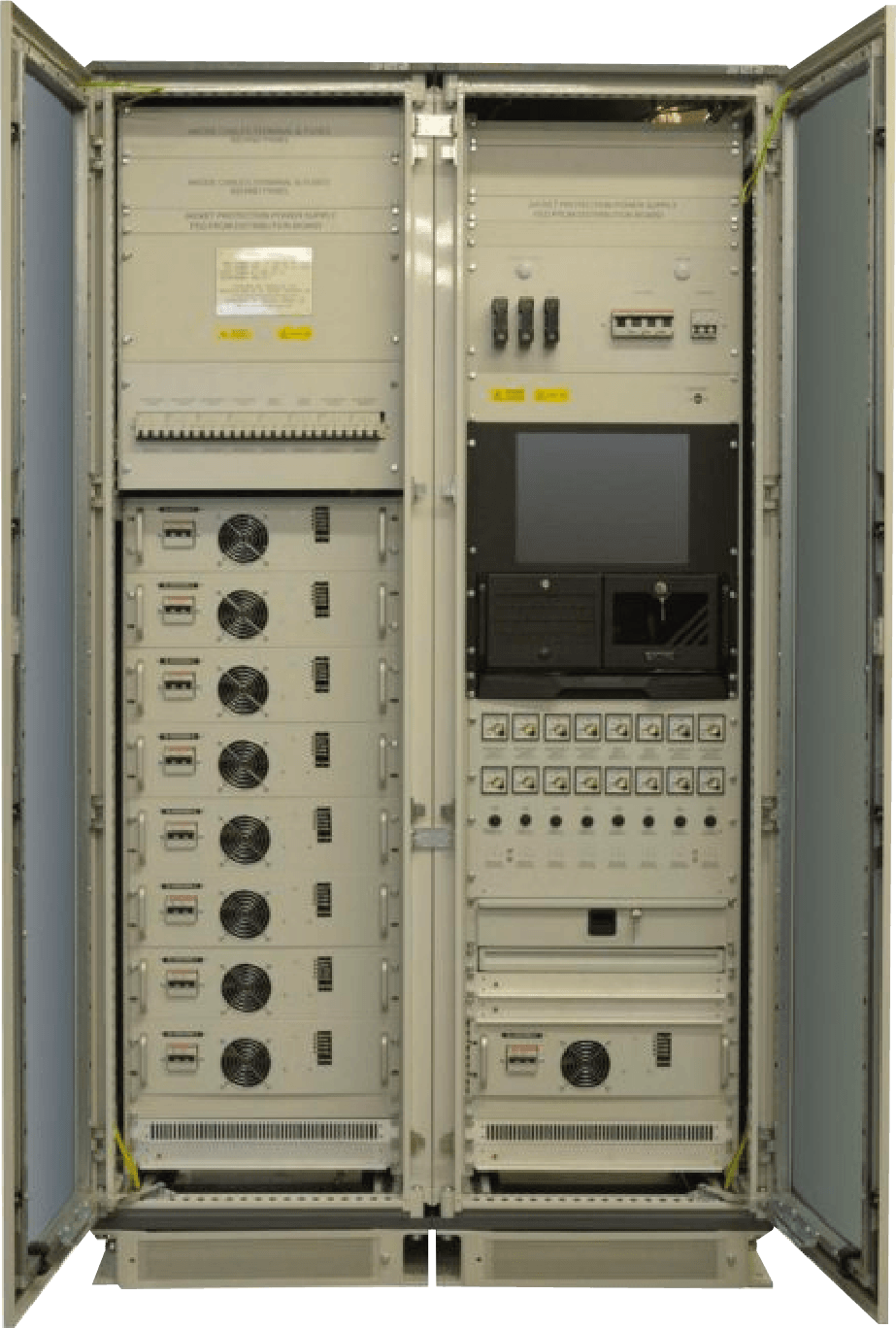
Powerstax provides dedicated engineering support during the front-end engineering design (FEED) stage. Our team collaborates with EPC contractors and system integrators to calculate expected voltage drops across long DC busbar runs, design custom transformer phase-shifting configurations for low harmonic distortion, perform thermal calculations for specific ambient temperatures (-20°C to +55°C), and generate 3D CAD models for enclosure integration into tight containerized skids or marine machinery spaces.

Industrial Application Envelope

Where Powerstax Electrochlorination Systems Excel

From global shipping fleets to large-scale municipal water works, our high-reliability power systems drive essential disinfection and electrochemical processes.

Electrochlorination power supplies for water treatment

Municipal Water Disinfection

Continuous on-site hypochlorite generation without hazardous bulk chlorine storage
Offshore Oil and Gas Electrochlorination

Offshore Oil & Gas Platforms

FPSO seawater injection anti-fouling and produced water chlorination
Hydrogen Production and Seawater Electrolysis Power Supplies

Green Hydrogen & Seawater Electrolysis

High-current DC power for co-generation hydrogen and chlorine extraction
Marine Ballast Water Management System Power Supplies

Marine Ballast Water (BWMS)

Compact, IMO/USCG compliant rectifiers for commercial vessel water treatment
Power Plant Seawater Cooling Biofouling Control

Power Station Cooling Circuits

Multi-megawatt electrochlorination rectifiers for condenser biofouling protection

Request a Technical Proposal for Your Electrochlorination System

Partner directly with Powerstax power design engineers. Submit your voltage output, target current rating, ambient environment constraints, and cooling preferences to receive a tailored engineering proposal and commercial bid.

Get a Quote