Precision-engineered semiconductor modules, high-voltage silicon stacks, and thyristor controlled rectifiers built for mission-critical battery charging, electrolysis, and industrial power supplies.
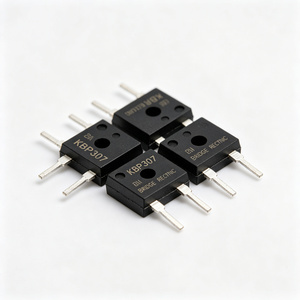
The modern industrial energy ecosystem demands power conversion equipment capable of continuous operation under rigorous thermal and electrical stresses. As global electrification accelerates across AGVs (Automated Guided Vehicles), electric forklifts, heavy duty EV fleets, energy storage systems (ESS), and renewable microgrids, selecting a reliable China battery charger manufacturer and supplier has evolved from a standard procurement step into a critical strategic partnership.
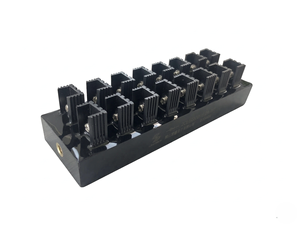
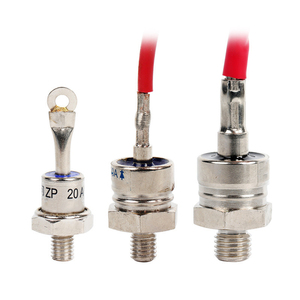
Superior industrial battery chargers rely on precise silicon rectifier assemblies, thyristor control circuits, and advanced Switched-Mode Power Supply (SMPS) topologies. Whether deploying high-current stud diodes like the ZP100A 1600V series or implementing high-voltage silicon stack rectifiers up to 20KV 50A, the primary objective remains unchanged: maximizing conversion efficiency while eliminating harmonic distortion and thermal derating.
Advanced SCR thyristor and diode stack control lowers output ripple voltage below 1%, protecting battery chemistry (LiFePO4, VRLA, Ni-Cd) from parasitic thermal buildup and plate degradation.
Utilizing high-power density ceramic substrates, spiral diode mounts, and forced liquid/air cooling channels to deliver up to 10kW per chassis module and MW-scale transformer rectifier systems.
Engineered for high reliability, meeting rigorous standards including MIL-STD-704, MIL-STD-1275, and ISO 9001 quality controls for defense, marine, and harsh heavy industrial duty cycles.
Integrated R&D, custom power conversion topology design, and ISO 9001 certified manufacturing.
We do not just supply off-the-shelf part numbers. Our engineering team modifies standard platforms or builds clean-sheet power architectures covering magnetics, thermal simulation, EMC compliance, and custom software control interfaces.
Our manufacturing testing bays support high voltage power supplies up to 200 kV and thyristor-controlled transformer rectifiers scaled into megawatt ranges for green hydrogen electrolysis, electroplating, and heavy battery banks.
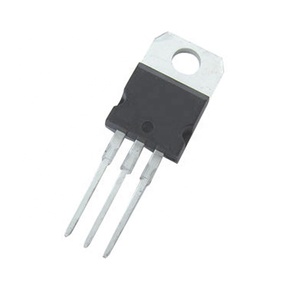
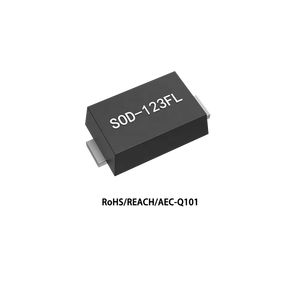
From SOD-123FL discrete rectifiers to heavy TO-220 SCRs, every component carries verified trace codes, undergoing rigorous burn-in and functional tests to eliminate early-life field failures.
Full alignment with CE, UL, RoHS, and WEEE directives. We offer long-term asset support including calibration, spares availability, refurbishment, and on-site operator training worldwide.
As enterprise procurement teams evaluate China battery charger suppliers, technological paradigms are shifting rapidly toward high-frequency SiC (Silicon Carbide) power conversion, modular hot-swappable architectures, and smart grid integration. B2B buyers must align their sourcing strategies with the following dominant development trends:
Modern battery chargers are migrating from traditional silicon to Silicon Carbide MOSFETs and Schottky diodes. This enables switching frequencies above 100 kHz, reducing transformer magnetics size by 40% while raising energy efficiency to 97.5%.
Industrial fleet operators now require N+1 redundant charger racks. Modular power modules allow live swapping without process interruption, drastically reducing Mean Time to Repair (MTTR) to under 15 minutes.
Industrial chargers are no longer unidirectional loads. Next-generation procurement specs demand bidirectional DC power flow (Vehicle-to-Grid / Energy Storage Systems), allowing industrial facilities to monetize stored battery energy during peak tariff hours.
A engineering guide comparing common power conversion components and charger rectifier architectures.
| Rectifier Architecture | Primary Application | Voltage Range | Typical Efficiency | Key Advantage |
|---|---|---|---|---|
| Silicon Controlled Rectifier (SCR) | Heavy Duty Traction & Electroplating | 100V – 1600V | 92% – 95% | Extreme current robustness & over-surge capacity |
| High-Voltage Silicon Stack | RF Equipment & High Voltage Charging | 10KV – 200KV | 90% – 94% | High Peak Inverse Voltage (PIV) protection |
| High-Frequency SMPS Bridge | AGV & Lithium Pack Fast Charging | 24V – 800V DC | 95% – 98% | Compact weight, ultra-low ripple & fast response |
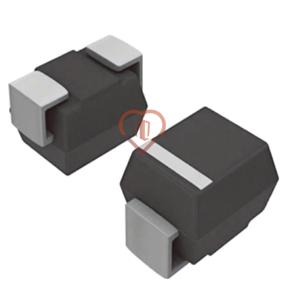
| Surface Mount SMD Rectifier | BMS Logic & Auxiliary Charger Control | 10V – 1000V | 96% – 99% | Automated SMT assembly & compact PCB footprint |
Expert technical answers to common industrial battery charger and rectifier procurement questions.
When sourcing industrial battery chargers from China, procurement engineers should evaluate four critical criteria: 1) Topological Customization: Ability to design match-tailored SCR or high-frequency SMPS platforms for specific battery chemistries (LiFePO4, VRLA, Ni-Cd); 2) Quality Assurance & Certifications: Compliance with ISO 9001, CE, UL, RoHS, and MIL-STD test protocols; 3) Traceability: Verified silicon component lot codes (e.g. 1N4006W, ZP100A rectifiers); and 4) After-Sales Support: Supply of long-term spare modules, technical documentation, and site calibration capabilities.
High DC voltage ripple causes localized resistive heating within battery cells, accelerating electrolyte breakdown and active plate degradation. Professional charger rectifiers utilize multi-phase SCR control, LC filtering, and fast-recovery diodes (such as the P0080TA-MC series) to maintain ripple below 1%, maximizing overall battery cycle life.
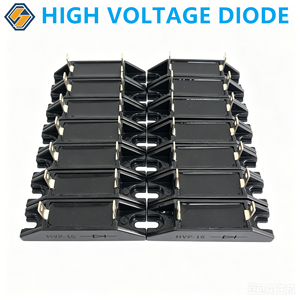
Yes. Our value-added engineering team specializes in clean-sheet power supply designs. We manufacture high-voltage stacks up to 200 kV (such as 2CLG20KV/50A-WT blocks and HVP-16 stacks), custom transformer rectifiers, and MIL-COTS DC-DC modules tailored to exact mechanical footprints, cooling constraints, and electrical inputs.
Standard discrete rectifier components and standard modules ship within 1 to 2 weeks. Custom engineered transformer rectifiers, high-power chassis units, and specialized OEM orders typically require 4 to 6 weeks from initial design approval, thermal modeling, and functional qualification testing.
Submit your electrical specification, target battery chemistry, and ambient operating parameters. Our senior power conversion engineering team will respond with a complete technical proposal within 24 hours.
Get a Quote