High-efficiency direct current power supplies, high-voltage diode blocks, and phase-controlled SCR thyristor modules optimized for heavy-duty galvanizing, electroplating, and industrial electrochemistry.
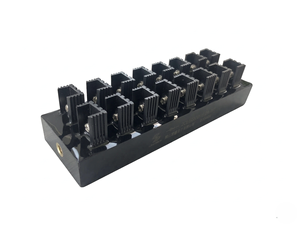
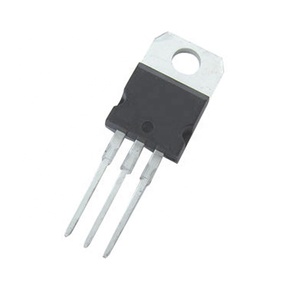
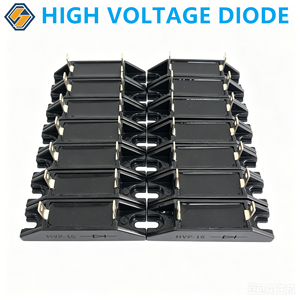
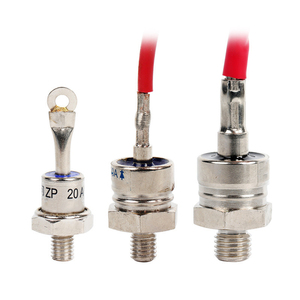
Modern industrial surface finishing requires precise current regulation, high electrical efficiency, and long-term operating durability. Selecting an industrial electroplating rectifier is no longer just a matter of matching amp-hours; it requires an engineering-level understanding of direct current (DC) ripple factors, semiconductor topologies, pulse modulation dynamics, and cooling mechanisms. As global industries shift toward green manufacturing and high-throughput automation, wholesale sourcing from specialized China manufacturers offers a powerful balance of advanced technological capabilities, custom thermal design, and operational cost advantages.
Core Procurement Insight: The efficiency of electrodeposition, grain size of deposited metal coats, and adhesion strength depend directly on the steady-state stability of the rectifier's output DC signal. Switching from legacy 12-pulse SCR systems to high-frequency IGBT switch-mode rectifiers can reduce plant energy consumption by up to 18% while enhancing micro-hardness in chrome and nickel plating.
When reviewing technical proposals from top China wholesale electroplating rectifier manufacturers, buyers evaluate two dominant power supply topologies: Silicon-Controlled Rectifier (SCR) phase-controlled units and Insulated Gate Bipolar Transistor (IGBT) high-frequency switch-mode power supplies (SMPS).
| Performance Parameter | Thyristor (SCR) Rectifiers | High-Frequency IGBT Rectifiers | Impact on Electroplating Process |
|---|---|---|---|
| Conversion Efficiency | 80% – 88% (Varies with phase angle) | 90% – 95%+ (Constant across load) | IGBT drastically reduces plant kWh usage and heat generation. |
| DC Ripple Output Factor | 5% – 15% (Requires heavy LC filter) | < 1% – 3% (Inherent high frequency) | Lower ripple delivers finer metal grain structures and fewer pinholes. |
| Response Time | Slow (10ms – 20ms) | Ultra-Fast (< 1ms) | IGBT handles quick pulse load changes during precision plating. |
| Power Factor (Cos φ) | 0.65 – 0.85 (Degrades at low voltage) | ≥ 0.95 (High power factor standard) | Eliminates grid penalty fees and reduces copper cabling sizing. |
| Physical Footprint | Large, heavy transformer mass | Compact, 60% smaller modular rack design | Saves valuable cleanroom floor space in plating lines. |
SCR thyristor rectifiers remain preferred for ultra-high current applications exceeding 20,000 Amperes—such as heavy copper foil electrolysis, industrial zinc galvanizing, and raw metal electro-refining—due to their extreme ruggedness and fault tolerance against severe line spikes. Conversely, high-frequency IGBT switch-mode power rectifiers dominate precision electroplating (e.g., printed circuit board (PCB) copper plating, connector gold plating, anodizing, and decorative chrome), where micro-level thickness uniformity is paramount.
In electrochemistry, the ripple factor is defined as the ratio of the root-mean-square (RMS) value of the AC voltage component to the absolute DC component. In hard chrome plating or acid copper deposition, high ripple factors create localized current density variations across the cathode surface, leading to uneven distribution, burning at high-current density edges, and poor coverage inside recessed geometries (throwing power).
Leading China manufacturers incorporate integrated multi-stage LC filters and fast digital DSP feedback loops to maintain ripple under 1% across the full 0-100% voltage adjustment range. Furthermore, reverse pulse rectifiers (PPR) allow positive plating pulses to be alternated with brief negative stripping pulses. This technique suppresses dendrite growth, eliminates hydrogen embrittlement in high-strength steel fasteners, and speeds up plating cycle times by up to 30%.
The global rectifier procurement landscape is undergoing a structural shift toward intelligent, sustainable, and highly integrated power conversion ecosystems. Facilities procuring wholesale electroplating equipment from China must align their sourcing specs with the following key developments:
Transition from conventional Silicon to Silicon Carbide (SiC) MOSFETs, pushing switching frequencies above 100 kHz, reducing power loss by 40%, and allowing higher thermal operation limits.
Standard integration of Modbus-RTU, Profinet, and EtherCAT interfaces enabling digital twin monitoring, automated bath amp-hour dosing, and real-time remote diagnostics.
Hot-swappable power module arrays. If one 1000A module encounters an over-temperature fault, remaining units step up automatically without interrupting continuous process lines.
As international environmental regulations tighten, chemical plating environments demand higher ingress protection ratings (IP65/IP66). Direct air-cooled power units draw corrosive acid fumes into internal electronic enclosures, leading to premature PCB degradation. The industry is rapidly shifting toward closed-loop liquid cooling (water-to-water or water-to-air heat exchangers). Water-cooled IGBT rectifiers isolate sensitive power components inside sealed cabinet bays, dramatically lowering failure rates and operating noise while maintaining stable junction temperatures under 24/7 continuous duty cycles.
With over three decades of deep power electronics heritage, our manufacturing infrastructure provides global engineering teams with reliable, ISO 9001-certified power conversion systems built for high-uptime mission-critical environments.
Every transformer, diode block, and control card undergoes rigorous automated optical inspection (AOI), full-load burn-in testing, and high-voltage dielectric insulation checks prior to shipment.
Our engineering team customizes voltage/current curves, physical cabinet dimensions, busbar orientations, and communication protocols to match your plant's exact specifications.
We source high-grade silicon, original thyristors, and heavy-duty copper magnetics with full lot traceability, ensuring compliance with international safety and EMC standards.
Comprehensive Qualification Support: From prototype development to volume industrial rollouts, our support engineering team provides full FAT (Factory Acceptance Test) documentation, thermal mapping reports, and step-by-step installation guidance.
Targeted technical guidance for procurement officers, process engineers, and plant managers specifying wholesale electroplating rectifier hardware.
Work directly with senior power conversion engineers to configure custom high-current rectifiers, SCR thyristor drives, or fast-response IGBT switch-mode systems built for maximum plant uptime.
Contact Us