Direct OEM & Exporter Grade Rectifiers, SCRs, High-Voltage Diodes, and Power Conversion Hardware
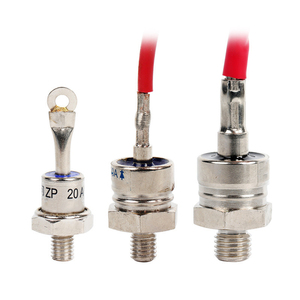
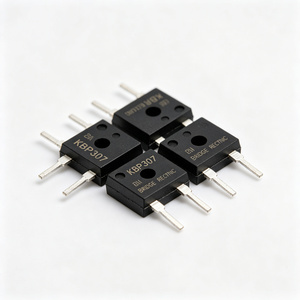
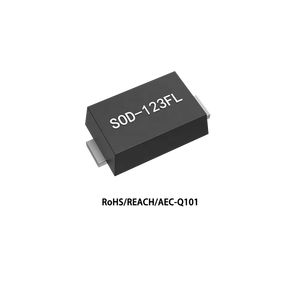
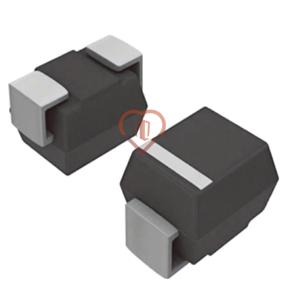
Industrial electrolysis stands at the operational nexus of modern chemical engineering, green hydrogen production, electrochlorination, electroplating, and carbon capture infrastructure. As global industrial initiatives accelerate toward decarbonization, selecting an authoritative, tier-1 electrolysis supply supplier and exporter becomes a critical risk-mitigation factor for EPC contractors, plant directors, and power system integrators.
Electrolysis power systems are fundamentally specialized high-current, low-voltage direct current (DC) power conversion architectures. Unlike standard industrial power electronics, electrolysis DC supplies must continuously deliver thousands of amperes while maintaining ultra-low DC ripple (<2%), tight voltage control, and superior power factor compliance across wide load variations. The operational stability of Proton Exchange Membrane (PEM), Alkaline Water Electrolysis (AWE), and Solid Oxide Electrolyzer Cells (SOEC) hinges entirely on the clean, continuous output provided by advanced transformer-rectifier assemblies and solid-state silicon rectifiers.
Technical Insight: High DC current ripple in electrolysis supplies directly accelerates membrane degradation, induces parasitic side reactions, and reduces overall thermodynamic efficiency by up to 6.8%. Modern procurement standards mandate SCR thyristor control or IGBT switch-mode topologies with active harmonic filtering.
Suppliers operating in this sector must demonstrate deep domain expertise across thermal management, electromagnetic compatibility (EMC), high-power semiconductor packaging, and modular fault tolerance. This engineering white paper presents an exhaustive technical evaluation framework for global procurement teams seeking to identify, audit, and partner with premier electrolysis power equipment manufacturers and exporters.
Evaluating power supply suppliers requires a comprehensive understanding of the primary rectification architectures employed in commercial and utility-scale electrochemical facilities. Below is an engineering comparison matrix detailing the trade-offs across efficiency, ripple control, total harmonic distortion (THD), and capital expenditure (CAPEX).
| Rectification Topology | Typical Power Range | Conversion Efficiency | DC Ripple Factor | THD (Grid Input) | Primary Industrial Application |
|---|---|---|---|---|---|
| Thyristor (SCR) Transformer Rectifier | 500 kW – 100+ MW | 96.5% – 98.2% | 2.0% – 5.0% (Filtered) | < 5% (with 12/24 Pulse) | Megawatt Alkaline & Chlor-Alkali Stacks |
| IGBT Switch-Mode Power Supply (SMPS) | 50 kW – 10 MW | 94.0% – 96.5% | < 1.0% (Ultra-Low) | < 3% (Active PFC) | PEM Electrolysers, Electroplating & Laboratory Stacks |
| Diode Rectifier + DC/DC Chopper | 1 MW – 50 MW | 97.0% – 98.5% | < 1.5% | < 4% (12-Pulse Phase Shift) | Renewable Energy (Solar/Wind) Direct-Coupled Electrolysis |
| Silicon Carbide (SiC) High-Freq Bridge | 10 kW – 2 MW (Modular) | 98.5% – 99.2% | < 0.5% | < 2% (Active Front End) | Next-Gen SOEC & Decentralized Green Hydrogen Refueling |
While traditional 12-pulse and 24-pulse thyristor rectifiers remain the workhorse of massive chlor-alkali and heavy industrial plating due to their extreme durability and high current ratings, modular IGBT and SiC switch-mode designs are gaining dominance in green hydrogen plants coupled directly with variable renewable energy (VRE) sources due to their microsecond-level dynamic response time.
Market Shifts Influencing Industrial Electrolysis Power Equipment Sourcing
Procurement is shifting away from centralized monolithic rectifiers toward N+1 redundant modular power blocks. Individual 1MW–2.5MW rack units allow continuous plant uptime during scheduled maintenance, reducing unearned revenue losses in continuous chemical processes.
Next-generation electrolysis supplies are integrating Silicon Carbide (SiC) power MOSFETs and high-frequency diodes (such as high-voltage silicon stack blocks and fast recovery rectifiers). This reduces magnetics volume by 60% while elevating power conversion efficiency above 98.8%.
With electrolysers increasingly powered by solar PV and wind farms, power supplies must ramp output from 5% to 120% nominal load within milliseconds without losing power factor control or exceeding grid harmonic injection limits.
High-density power electronics are moving from forced-air cooling to closed-loop liquid cold-plate systems. Direct deionized water/glycol cooling extends semiconductor junction lifespans and protects sensitive controls in corrosive environments like coastal electrochlorination skids.
Tier-1 exporters are embedding IoT telemetry, real-time junction temperature tracking, and early SCR degradation algorithms via Modbus TCP/Profinet, giving operators actionable insights before catastrophic diode breakdown occurs.
Grid operators globally now enforce stringent harmonic emission fines. Top exporters configure custom multi-phase transformers (18-pulse, 24-pulse, or Active Front End) directly integrated with the rectifier skid to guarantee utility grid compliance.
To assist global procurement directors and technical engineers during vendor selection, our senior engineering team has compiled definitive answers to critical sourcing questions.
With over three decades of field-proven power conversion design expertise, our engineering division manufactures and exports custom, configurable, and high-reliability power supplies for critical industrial, marine, defence, and hydrogen energy projects worldwide.
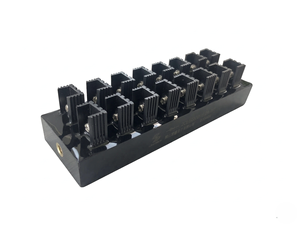
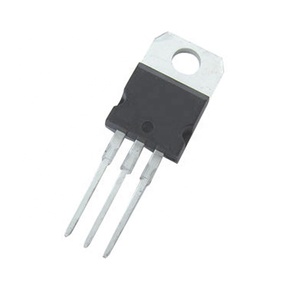
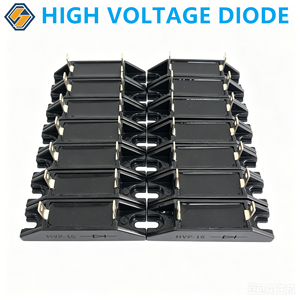
Our comprehensive production spectrum spans thyristor-controlled transformer rectifiers scaled into multi-megawatt configurations, modular AC-DC power converters, isolated high-density DC-DC modules, high voltage DC units up to 200 kV, and customized silicon semiconductor assemblies (including high voltage diode blocks, SCR modules, and bridge rectifiers).
Our in-house R&D team provides end-to-end custom engineering—from electrical system modeling, thermal liquid-flow simulation, and EMC filter integration to custom enclosure fabrication under ISO 9001 controls.
Every single power unit, diode stack, and SCR assembly undergoes burn-in validation, high-potential voltage isolation checks, and full dynamic load testing prior to international export dispatch.
We provide long-term spare parts availability, on-site commissioning, recalibration services, and unit refurbishment to ensure installed rectifiers maintain peak operating performance throughout decades of continuous duty.
Need specialized DC rectifiers, high-voltage diode blocks, SCR components, or a full megawatt electrolysis power platform tailored to your system specifications? Consult our application engineering team today.