A comprehensive technical report on next-generation DC telecom power conversion, hybrid site energy architectures, and localized power distribution across Kenya and the East African Community (EAC).
Kenya's telecommunications ecosystem is experiencing an unprecedented surge in bandwidth demand, accelerated by national fiber backbone initiatives, rapid 5G site deployments in metropolitan areas such as Nairobi and Mombasa, and aggressive rural tower expansion supported by the Universal Service Fund (USF). However, mobile network operators (MNOs) like Safaricom, Airtel Kenya, and Telkom Kenya, along with leading Tower Companies (TowerCos) such as American Tower Corporation (ATC) and Eaton Towers, face persistent operational challenges. The primary obstacle remains grid power instability, characterized by frequent voltage sags, phase unbalances, surge spikes during thunderstorm seasons, and complete grid blackouts in sub-urban and rural areas.
As a tier-one China telecom power supply manufacturer and direct exporter, our mission is to deliver mission-critical energy storage, rectifiers, medium-voltage armored cabling, and power distribution units engineered specifically to withstand East Africa's environmental and operational extremes. Operating at continuous high ambient temperatures, humid coastal salt-fog conditions, and dust-heavy rural environments requires rectifiers with intelligent thermal derating, wide AC input tolerance (85VAC to 300VAC), high lightning surge withstand capability, and seamless integration with solar PV microgrids and Lithium-ion (LFP) battery banks.
Engineered for maximum energy availability, operational thermal resilience, and low Total Cost of Ownership (TCO).
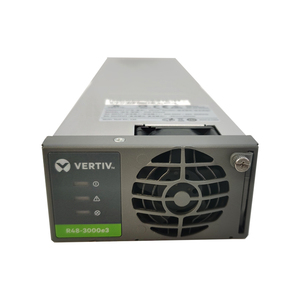
Designed for high-density 48V DC power systems. Fully hot-swappable with advanced digital signal processing (DSP) control and 96%+ operating efficiency.
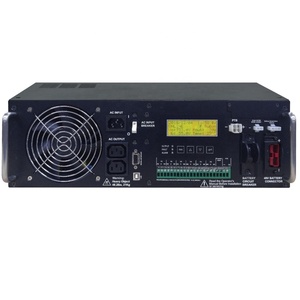
Delivers zero-transfer-time clean AC backup power to critical core network switches, billing servers, and transmission hubs across unstable grid zones.
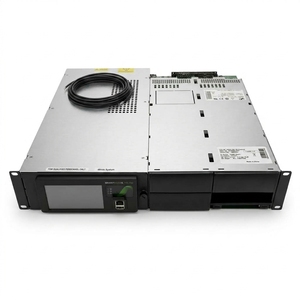
Ultra-compact 1U rack-mount embedded DC power system. Integrates smart control units, LVD battery disconnect, and high-density rectifier slots.
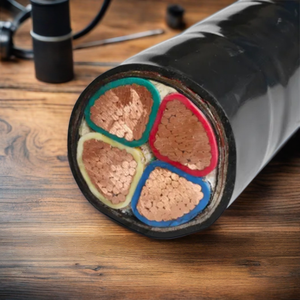
Heavy-duty underground and duct power cable for sub-station to BTS power feeds. Stainless steel tape armored to prevent rodent attack and mechanical damage.
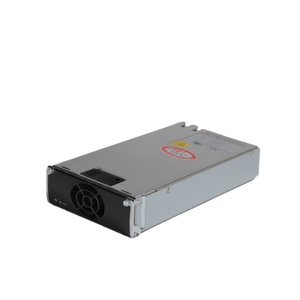
Smart power converter with Dynamic Power Control (DPC). Compact 1U footprint designed for optical repeater nodes, micro BTS, and edge computing enclosures.
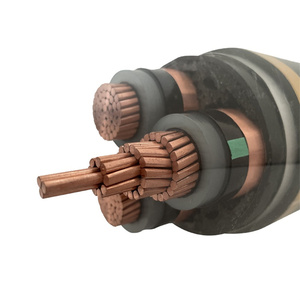
UV-stable, moisture-resistant feeder cable engineered for aerial tower risers and ground connection to baseband units (BBU) and remote radio heads (RRH).
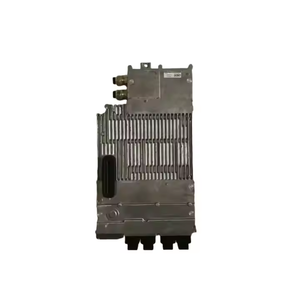
Direct OEM-replacement frame power supply board and DC distribution module engineered for Nokia Siemens Network (NSN) Flexi Multiradio BBUs.
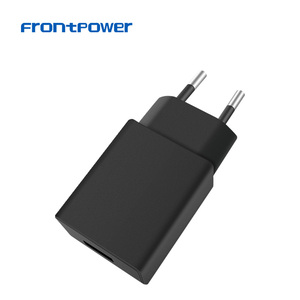
Precision regulated auxiliary AC-DC power units for network monitoring sensors, IoT telematics, mobile gateways, and peripheral equipment.
From hot, arid rural tower sites to dense metropolitan 5G microcells, explore how our power systems perform under real-world East African grid and climatic conditions.
In regions like Turkana, Garissa, and Marsabit, grid power is non-existent. Telecommunication towers rely heavily on Solar-Diesel Hybrid systems. Our 48V modular rectifiers integrate direct MPPT solar charging controller inputs, reducing diesel generator runtime by up to 75% and operating reliably in ambient temperatures exceeding 45°C without thermal shutdown.
Densely populated urban centers require compact 1U subrack DC power platforms (such as our FP2 12KW system) installed inside crowded street-level cabinets. Featuring high power density, active PFC, and low noise emissions, these units safely supply power to remote radio heads (RRH) mounted on street poles and commercial rooftops.
Connecting national backbone infrastructure along the LAPSSET transport corridor demands underground cabling built to survive harsh environmental stress. Our YJV22 stainless steel tape armored cables guarantee long-distance low-loss AC power delivery to inline optical amplification nodes while preventing water ingress and termite damage.
Comparing legacy telecom rectifiers with China's latest high-efficiency smart energy conversion platforms optimized for Kenya Power (KPLC) grid characteristics.
| Performance Indicator | Legacy Phase-Controlled Rectifiers | Standard Commercial Rectifiers | Our Kenya-Optimized Telecom Rectifiers |
|---|---|---|---|
| AC Input Range (VAC) | 180V - 260V AC (Narrow) | 160V - 275V AC | 85V - 300V AC (Ultra-Wide) |
| Peak Efficiency | 82% - 88% | 91% - 93% | 96.5% - 97.2% (Super High Efficiency) |
| Surge Suppression (SPD) | External Class III (2kA) | Integrated 5kA | Integrated 10kA / 20kA (Class II/III Combo) |
| Operating Temp Range | -10°C to +45°C | -20°C to +55°C | -40°C to +75°C (Full Load to 55°C) |
| Battery Management | Basic Lead-Acid Charging | Standard Dual-Stage | Smart LFP/Lead-Acid Hybrid BMS Protocol |
| Remote Control Interface | Dry Contacts Only | RS232 / Basic RS485 | SNMP v3, Modbus, MQTT Cloud IoT |
Key technological shifts driving purchasing decisions for procurement directors and chief technology officers in East Africa.
Traditional Lead-Acid (VRLA) batteries suffer rapid capacity degradation in East Africa due to ambient heat and frequent deep cycling caused by grid load shedding. Modern tower site deployments are standardizing on 48V Lithium Iron Phosphate (LiFePO4) battery packs. Our 48V rectifier platforms feature native communication protocols (RS485/CAN) that sync directly with smart LFP Battery Management Systems (BMS), preventing overcharging, cell imbalance, and thermal runaway.
Energy accounts for over 40% of site operating expenses (OPEX) for Kenyan tower operators. By leveraging dynamic grid-solar blending and peak shaving algorithms inside the rectifier's software controller, operators can program the system to utilize solar power during peak utility tariff hours and draw minimum power from the grid during voltage fluctuations.
Sending field technicians to remote sites in regions like Garissa, Isiolo, or Kitui for simple fuse replacements or reset commands is cost-prohibitive. Our smart power distribution units (PDUs) incorporate IoT gateways that communicate site voltage, load currents, battery state-of-health (SOH), and cabinet door alarms via SNMP v3 backhaul to central Network Operations Centers (NOC) in Nairobi.
Proven manufacturing capability, strict quality control standards, and dedicated East African logistics support.
Our state-of-the-art production base in China spans over 35,000 square meters, utilizing automated SMT placement lines, robotic conformal coating for tropical moisture protection, and 100% full-load high-temperature burn-in testing prior to shipment.
All power products engineered for Kenya comply with international standards including IEC 62368-1, CE, RoHS, and FCC Class B, and are qualified to pass Kenya Bureau of Standards (KEBS) Pre-Export Verification of Conformity (PVoC) inspections.
We provide complete freight forwarding solutions including FCL/LCL ocean shipping to Mombasa Port, express air transport to Jomo Kenyatta International Airport (JKIA), custom clearance documentation, and localized technical spare parts provisioning.
Addressing the technical, regulatory, and commercial inquiries most commonly raised by network architects and procurement managers in East Africa.
Our rectifiers feature an ultra-wide AC input operating window of 85V to 300V AC. Built-in metal oxide varistors (MOVs) and multi-stage electromagnetic interference (EMI) filtering allow the system to withstand severe utility voltage surges. If the voltage spikes above 300VAC, the unit enters an automatic protective shut-off state without damage, automatically recovering as soon as grid parameters normalize.
Standard manufacturing lead time for containerized orders (e.g., 20ft/40ft HQ of embedded power cabinets or cables) is typically 15 to 20 business days. Ocean transit from major Chinese ports (Shanghai/Ningbo/Shenzhen) to Mombasa Port takes approximately 20 to 25 days. For urgent site expansion projects, expedited air cargo via JKIA Nairobi can be arranged within 5 to 7 days.
Yes. Our smart controller units support open Modbus RTU, RS485, and CANbus communication protocols. We provide pre-configured firmware profiles compatible with all major telecom Lithium-ion battery brands used in Africa, enabling real-time SOC/SOH reporting, cell temperature monitoring, and low-voltage disconnect (LVD) protection.
Absolutely. We assist our clients with the full CoC (Certificate of Conformity) process required under KEBS PVoC guidelines. All shipments are accompanied by certified laboratory test reports from accredited bodies (SGS, TUV, Intertek) confirming compliance with international safety and electromagnetic compatibility (EMC) regulations.
Yes. Our in-house R&D team offers clean-sheet power system architecture development. We can customize subrack dimensions (1U, 2U, 3U, 6U), modify DC breaker distribution configurations, tailor copper busbar configurations, and apply customized powder-coated brand colors and silk-screened logos according to your network specifications.
Connect directly with our senior power conversion engineering team to request technical datasheets, CAD drawings, customized pricing matrix, or factory audit reports.
Send an Inquiry