Precision power semiconductors, silicon-controlled rectifiers (SCR), bridge rectifiers, and high-voltage modules built for continuous utility-grid inverter and transformer-rectifier integration.
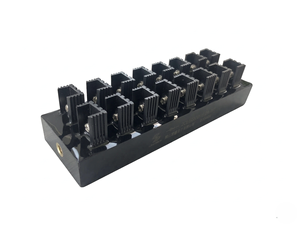
20KV high-voltage rectifier block rated for 50A continuous duty. Designed for heavy industrial energy conversion, RF heating, and grid inverter high-voltage protection stacks.
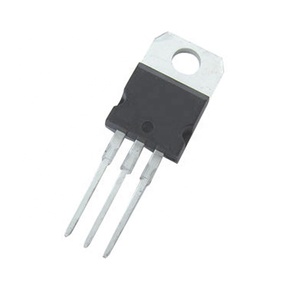
High-reliability 25A TO-220 silicon-controlled rectifier. Offers low thermal resistance and fast switching for solar PV inverter soft-starters, AC voltage control, and UPS systems.
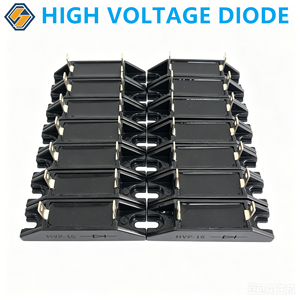
17.5KV high-voltage silicon stack diode for industrial RF power units, induction heating, and grid-tied high-voltage DC (HVDC) power system assemblies.
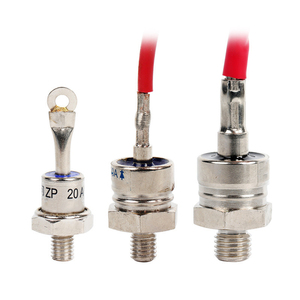
Heavy-duty 100A 1600V stud-type spiral rectifier diode. Ideal for chrome plating power supplies, industrial battery chargers, and central PV inverter rectification bridges.
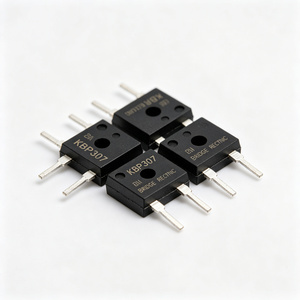
Standard 1000V 3A silicon bridge rectifier for power conversion circuits, auxiliary power supplies, micro-inverters, and industrial motor drives operating under tight thermal limits.
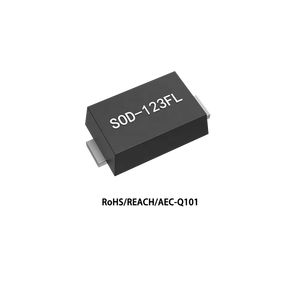
Compact SOD-123FL surface-mount general rectifier with 100% traceable lot coding. Optimized for automated SMD assembly in solar inverter monitoring modules and sensor electronics.
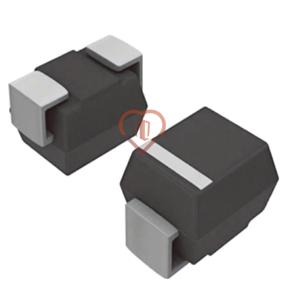
Fast-recovery 2.2A 10V SMA surface-mount Zener rectifiers. Engineeered for over-voltage transient protection in sensitive commercial inverter control units and industrial telemetry systems.
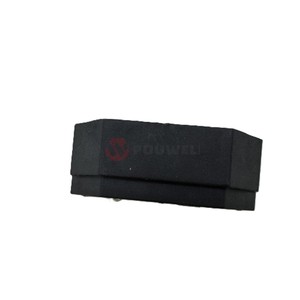
Industrial SCR brake power module Model M400 for 400VAC input to 180VDC output power conditioning. Comes with full factory warranty and OEM integration support.
Portugal stands at the vanguard of the European clean energy transformation. Driven by the ambitious goals of the National Energy and Climate Plan 2030 (PNEC 2030), the country aims to generate over 85% of its electricity from renewable sources by the end of the decade. Central to achieving this milestone is the deployment of high-efficiency grid-tied solar photovoltaic (PV) systems, wind power converters, hybrid battery energy storage systems (BESS), and green hydrogen electrolysis facilities. For EPC contractors, utility developers, and original equipment manufacturers (OEMs), sourcing high-performance, compliant, and climate-resilient grid inverters and rectifiers serving the Portugal market is a paramount requirement.
Grid-tied inverters act as the intelligent brain and muscular core of modern solar parks and industrial self-consumption installations (UPAC - Unidades de Produção para Autoconsumo). In converting direct current (DC) generated by solar arrays or battery banks into synchronized alternating current (AC) for insertion into the national transmission grid managed by REN (Redes Energéticas Nacionais) and distribution networks overseen by E-Redes, inverters must maintain flawless grid code compliance, maximum power point tracking (MPPT) efficiency, and extreme thermal stamina.
Grid interconnectivity in Portugal is governed under stringent European and national frameworks overseen by the DGEG (Direção-Geral de Energia e Geologia). To connect utility-scale solar farms or industrial self-consumption units to the Portuguese power grid, grid inverters must strictly comply with European Standard EN 50549-1 (for low-voltage distribution networks) and EN 50549-2 (for medium-voltage distribution networks), alongside specific technical requirements mandated by E-Redes and REN.
Portugal’s unique geography presents distinct operational stresses for power electronics. High solar irradiance in the southern regions (Alentejo and Algarve) routinely causes ambient temperatures to exceed 40°C during peak summer months, triggering thermal derating in substandard inverters. Conversely, utility installations along Portugal’s 800+ kilometers of Atlantic coastline face severe atmospheric salinity and moisture.
Leading grid inverter manufacturers serving Portugal must integrate heavy-duty hardware engineering measures:
As Portugal increases its share of asynchronous renewable generation, grid operators increasingly incentivize grid-forming inverter architectures to provide synthetic inertia. The table below outlines key engineering metrics relevant for Portuguese utility and industrial deployments:
| Technical Metric | Grid-Following Inverters (GFL) | Grid-Forming Inverters (GFM) | Thyristor Rectifier Systems (TR) |
|---|---|---|---|
| Primary Grid Function | Injects current synchronized with existing grid voltage waveform. | Acts as an independent voltage source; provides synthetic inertia. | Converts grid AC to heavy-current DC for process loads/hydrogen. |
| Weak Grid Stability | Susceptible to phase-locked loop (PLL) instability in high-impedance grids. | Inherently stable in weak microgrids and low Short-Circuit Ratio (SCR) areas. | Requires robust transformer tap control and thyristor gate timing. |
| Fault Current Contribution | Limited to 1.1x - 1.5x nominal current rating. | Can deliver up to 2.0x - 3.0x nominal current for short durations. | Sustains heavy surge currents via high-capacity power diodes. |
| Typical Applications in Portugal | Standard rooftop PV, utility PV parks with strong REN interconnects. | BESS microgrids, isolated coastal regions, island power systems (Azores/Madeira). | Green hydrogen production (Sines Hub), electroplating, industrial process power. |
| Compliance Target | EN 50549-1/2, E-Redes Portaria n.º 103/2021 | EU Network Code on Requirements for Generators (RfG), GFM Guidelines | IEC 60146, IEC 61010-1 Industrial Safety Standards |
From MW-scale ground-mounted solar fields in EVORA to green hydrogen plants in SINES, explore how specialized grid inverters and heavy-duty rectifiers power critical infrastructure.
Large-scale solar parks demand high-voltage string inverters (1500V DC input) or central inverter stations (up to 4.4 MW capacity). Integrated with multi-MPPT tracking, these units maximize yield in high-temperature environments while maintaining full reactive power injection during nighttime (Q-at-Night capability) to assist REN grid voltage regulation.
Portugal’s national hydrogen strategy centers on the Port of Sines. Hydrogen electrolysers (PEM and Alkaline) demand continuous, low-ripple direct current (DC). Thyristor-controlled transformer rectifiers convert high-voltage AC from the grid into mega-ampere DC power with precision current stability, maintaining power factor above 0.95.
Industrial complexes in Porto, Lisbon, and Setúbal utilize hybrid grid-tied inverters equipped with zero-export control and rapid load-balancing features. By pairing PV generation with high-voltage battery storage, commercial enterprises mitigate peak demand tariffs levied by Portuguese energy retailers.
Offshore wind projects and coastal installations require power conversion electronics enclosed in IP66 stainless-steel cabinets. Heavy-duty fast-recovery silicon diodes, transient voltage suppressors, and hermetically sealed switching components safeguard against humid sea winds and salt crusting.
Agricultural irrigation microgrids in southern Portugal demand solar inverters with built-in frequency drive (VFD) logic. These systems convert variable solar DC directly into 3-phase AC power to run deep-well water pumps without relying on expensive diesel generators or weak rural grid lines.
Protecting underground gas pipelines and maritime port installations across Portugal requires specialized cathodic protection transformer rectifiers. These units deliver micro-regulated DC current to counteract metallic electrochemical corrosion over decades of unattended field service.
Addressing the technical, regulatory, and logistics inquiries commonly raised by Portuguese solar EPCs, industrial system integrators, and engineering consultants.
With over three decades of advanced power design experience, our manufacturing hubs combine rigorous British and European quality engineering standards with volume production efficiency. We deliver mission-critical reliability where power interruption is not an option.
Every semiconductor batch, diode stack, and inverter chassis undergoes strict ISO 9001 controls, automated optical inspection (AOI), full-load thermal burn-in, and high-potential voltage testing prior to dispatch.
Our deep engineering legacy covers thyristor-controlled transformer rectifiers, high-voltage DC power supplies (up to 200 kV), MIL-spec converters, and advanced grid-tied power electronics topologies.
We work as an extension of your engineering team. From initial magnetic design and thermal modeling to full EMC compliance testing, we craft power solutions around your exact physical and electrical load envelope.
Our technical commitment extends far beyond delivery. We offer extended warranty coverage, technical calibration, spare component availability, and rapid technical assistance for utility project operators across Portugal.
Planning a solar PV park, industrial self-consumption project, or green hydrogen electrolyzer installation in Portugal? Speak directly with our senior power electronics engineers to request detailed datasheets, custom design proposals, or competitive commercial quotes.
Inquire Now