Engineered for demanding industrial RF equipment, green hydrogen electrolysis, power conversion systems, and heavy industrial automation across Greater London.
As industrial automation, high-power electrotechnology, and decarbonisation initiatives accelerate across Greater London, the demand for precision-engineered, high-efficiency programmable power supplies has evolved from standard off-the-shelf units into sophisticated, digitally controlled power conversion topologies. Standard fixed-output AC-DC power supplies often lack the dynamic responsiveness, low-harmonic distortion, and current-limiting precision required by mission-critical applications such as hydrogen electrolysis stacks, medical imaging equipment, RF induction processing, and advanced industrial testbeds.
Programmable power systems function as the backbone of modern industrial power architectures. By integrating digital signal processors (DSPs), field-programmable gate arrays (FPGAs), and robust silicon-controlled rectifiers (SCRs) or insulated-gate bipolar transistors (IGBTs), these systems deliver fully adjustable output voltage, current, and power curves. Whether operated in Constant Voltage (CV), Constant Current (CC), or Constant Power (CP) mode, programmable supplies ensure optimal energy transfer, thermal stability, and transient protection under rapid load fluctuations.
Technical Insight (Information Gain): Modern programmable power supplies operating within the London metropolitan grid must strictly balance dynamic regulation with power factor compliance. Incorporating active Power Factor Correction (PFC) stages ensures compliance with Energy Networks Association (ENA) Recommendation G5/4-7 harmonic standards, preventing network pollution while maximizing power conversion efficiency up to 96%.
Choosing the correct power architecture depends heavily on the specific operational parameters of the target application. Heavy electro-chemical and metallurgical industries in the Thames Estuary and broader London industrial corridors utilize two primary power conversion philosophies:
Ideal for multi-megawatt bulk power applications including water treatment electrochlorination, heavy metal electroplating, and industrial cathodic protection. Thyristor stacks offer unmatched surge withstand capacity, rugged industrial longevity, and direct AC line phase-angle control.
Utilizing high-frequency (100kHz+) zero-voltage switching (ZVS) topologies, SMPS systems deliver ultra-compact form factors, rapid dynamic transient recovery (< 500µs), and extremely low output ripple voltage (< 0.1% RMS), critical for R&D laboratories and medical diagnostic suites.
Engineered for specialized RF equipment, pulsed power research, and industrial electron-beam systems delivering rated outputs up to 200kV and energy delivery rates exceeding 40 kJ/s with integrated arc detection and ultra-fast energy dumping mechanisms.
The UK government's commitment to achieving Net Zero greenhouse gas emissions by 2050, combined with London’s Mayor’s Climate Change Mitigation Strategy, has created unprecedented demand for advanced electrotechnology and robust energy conversion infrastructure across the capital region. Operating in the London market presents unique logistical, regulatory, and technical challenges that require specialized power engineering expertise.
The Thames Estuary cluster, stretching from East London to the Kent and Essex coasts, is emerging as a critical hub for green hydrogen generation and maritime decarbonisation. Hydrogen electrolysers (both Polymer Electrolyte Membrane [PEM] and Alkaline technology stacks) demand ultra-low ripple DC power supplies. High ripple currents induce parasitic heating, accelerate catalyst degradation, and drastically reduce stack operational lifespan. Custom programmable transformer rectifiers manufactured with integrated 12-pulse or 24-pulse phase-shifting transformers effectively eliminate low-order harmonics, offering the near-pure DC output required by megawatt-scale electrolyser arrays.
Transport for London (TfL) continues to expand its electrified fleet, spanning zero-emission bus depots, London Underground signaling upgrades, and light rail power networks. These heavy transport hubs require high-power DC fast-charging buffers and robust traction test equipment capable of continuous high-duty-cycle operation. Programmable DC sources serving London transport applications must feature heavy galvanic isolation, transient voltage suppression (TVS), and compliance with BS EN 50121-4 standards for railway electromagnetic compatibility.
The London metropolitan area represents Europe’s largest data centre market. Facilities concentrated in Slough, Hayes, and the Docklands are increasing rack power densities to accommodate artificial intelligence (AI) high-performance computing clusters. This rapid expansion demands auxiliary programmable power units, high-reliability MIL-COTS converter modules, and uninterruptible switch-mode power systems equipped with digital communication protocols (such as Modbus TCP, CANbus, and PMBus) for real-time telemetry, remote diagnostics, and smart grid integration.
| Sector / Application | Primary Power Architecture | Voltage / Current Range | Key Regulatory & Grid Standards |
|---|---|---|---|
| Green Hydrogen Electrolysis | 12/24-Pulse Thyristor Transformer Rectifier | 10V - 1000V DC / Up to 50,000A | ENA G5/4-7, IEEE 519, BS EN 60146 |
| Industrial Electroplating & Finishing | Switch-Mode or Thyristor DC Supply | 6V - 48V DC / 500A - 10,000A | BS EN 61010-1, CE / UKCA Marking |
| Medical Diagnostic & RF Systems | High-Frequency Low-Noise Modular SMPS | 1kV - 50kV DC / Low Ripple (<0.05%) | IEC 60601-1, BS EN 61000-6-3 |
| Defence & Avionics Testbeds | MIL-COTS Isolated DC-DC / AC Converters | 28V DC / 115V AC 400Hz / Custom | MIL-STD-704, MIL-STD-1275, MIL-STD-461 |
| Cathodic Pipeline Protection (ICCP) | Impulse-Resistant Thyristor Rectifier (CP Series) | 10V - 100V DC / 10A - 500A | BS EN ISO 12696, IP65 Outdoor Rated |
From industrial manufacturing plants in West London to research laboratories in Bloomsbury and naval dockyards near the Thames Estuary, power supply equipment must be customized to withstand specific environmental and operational stresses.
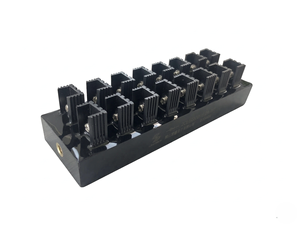
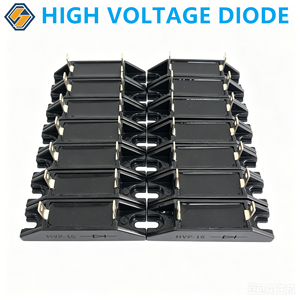
Industrial RF heating systems used in specialized thermal processing and composite curing in London’s manufacturing belts demand exceptionally stable high-voltage rectifiers. Devices like the HVP-16 17.5KV Silicon Stack Rectifier and 2CLG20KV/50A-WT High Voltage Diode ensure zero-breakdown voltage holding and rapid reverse recovery performance under severe high-frequency switching environments.
Protecting underground metallic water mains, gas pipelines, and maritime civil infrastructure throughout Greater London requires continuous Impressed Current Cathodic Protection (ICCP). Specialized thyristor rectifier systems provide continuous, micro-adjustable DC output into varying ground resistance environments, preventing catastrophic electrochemical corrosion.
Logistics depots and transport maintenance hubs surrounding the M25 ring road utilize high-torque industrial motors and overhead cranes. Silicon-Controlled Rectifier modules, such as the Model M400 (400VAC Input / 180VDC Output), provide precision DC injection braking to safely bring high-inertia industrial machinery to a controlled halt without mechanical wear.
Selecting a power conversion partner requires complete confidence in design integrity, manufacturing quality, and long-term technical support. Our engineering operations are structured around rigorous ISO 9001 standards, backed by over three decades of field-proven power systems experience.
We design and manufacture bespoke wound components, high-frequency inductors, and phase-shifting transformers in-house. Thermal management strategies—including forced-air, liquid cold-plate, and natural convection cooling—are customized to meet tight spatial constraints in customer enclosures.
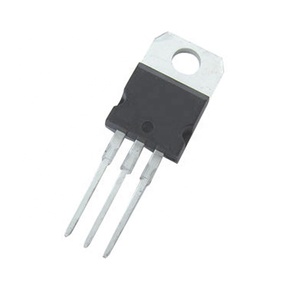
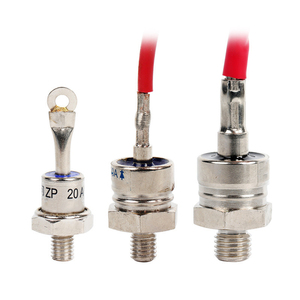
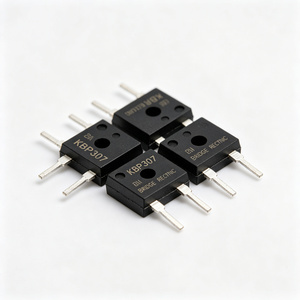
Every semiconductor, including our silicon-controlled rectifiers (SCRs), high-voltage diodes (1N4006W, ZP100A, KBP307), and TVS devices, undergoes stringent incoming inspection and 100% lot traceability testing. This guarantees zero counterfeit risks and eliminates premature component failure in mission-critical deployments.
Our commitment extends beyond original equipment delivery. We maintain comprehensive spare-parts inventory, offer routine UK-wide recalibration services, perform factory burn-in testing, and provide on-site commissioning and repair for installed rectifier systems across Greater London and the UK.
Below are authoritative responses to the most common engineering and commercial queries regarding programmable power supplies and rectifier systems serving the London market.
All programmable power systems and rectifier equipment destined for the UK market comply with UKCA (UK Conformity Assessed) and CE regulations. Specific product series are certified to BS EN 61010-1 (Safety requirements for electrical equipment), BS EN 62368-1 (Audio/video, information and communication technology equipment), and BS EN 61000-6-2 / 61000-6-4 for industrial Electromagnetic Compatibility (EMC). Medical-grade power units adhere fully to IEC/BS EN 60601-1 standards.
Our heavy industrial power systems utilize multi-pulse phase-shifting transformer arrangements (12-pulse, 18-pulse, or 24-pulse configurations) or active front-end power factor correction (PFC) circuitry. This design actively suppresses 5th, 7th, 11th, and 13th order current harmonics, maintaining Total Harmonic Distortion (THD-I) well below grid limits specified by UK distribution network operators (DNOs) under Energy Networks Association (ENA) G5/4-7 standards.
Yes. Our value-added engineering team specializes in clean-sheet power system architecture development. We cover complete electrical schematic design, internal planar magnetic fabrication, mechanical chassis packaging, thermal modeling, software control protocol design (Modbus/CANbus/EtherCAT), and full compliance qualification testing to deliver tailored OEM platforms.
Standard discrete semiconductor components (diodes, SCRs, bridge rectifiers) and standard off-the-shelf DC-DC/AC-DC power bricks are typically dispatched from stock within 24 to 48 hours to London locations. Configured or bespoke high-power transformer rectifiers and high-voltage power supplies generally require a typical production engineering lead time of 6 to 12 weeks, inclusive of full factory acceptance testing (FAT).
Industrial transformer rectifiers and cathodic protection units are available in a variety of enclosure protection ratings, ranging from IP20 rack-mount units for indoor cleanrooms up to IP65 / IP66 heavy-duty steel or stainless steel outdoor enclosures designed for harsh ambient weather conditions along the Thames Estuary and coastal sites.
Programmable dynamic current control allows the power system to mirror the intermittent generation profiles of renewable power sources (such as wind and solar energy). Fast-responding constant-current regulation protects sensitive proton exchange membranes from rapid voltage spikes and current surges, thereby preserving stack longevity and maximizing hydrogen yield efficiency.