
Hazardous Area Compliance
Certified enclosure integration for Zone 1 and Zone 2 hazardous areas (Ex d, Ex e, Ex p) adhering to IECEx and ATEX directives for flammable gas safety.
High-reliability, DNV/ABS ready AC-DC power supplies, thyristor-controlled transformer rectifiers, subsea DC-DC converters, and electrostatic dehydrator power units engineered by Powerstax for extreme marine topsides, FPSO hulls, and uncrewed platforms.
Deploying electrical power equipment in offshore environments—ranging from Floating Production Storage and Offloading (FPSO) vessels to fixed jacket platforms and subsea control modules—requires uncompromising design rigor. Powerstax delivers bespoke and modified-standard power architectures built to withstand continuous marine vibration, thermal cycling, salt spray exposure, and hazardous gas atmospheres.
In modern offshore hydrocarbon extraction and processing, Offshore Oil and Gas Power Units provide the continuous, regulated electrical backbone for process control systems, safety instrumented systems (SIS), impressed current cathodic protection (ICCP), electrostatic oil/water separation, electrochlorination ballast treatment, and subsea umbilical telemetry. Unlike land-based industrial installations, power systems on marine topsides operate under severe operational and environmental constraints. Power units must interface seamlessly with isolated microgrids powered by heavy-fuel gas turbines or dual-fuel diesel generators where voltage dips, frequency transients, and high THD (Total Harmonic Distortion) are frequent challenges.
Offshore electrical specifiers must evaluate three primary topologies based on load dynamics and spatial constraints: 1) Phase-Controlled Thyristor Rectifiers for multi-megawatt duty where continuous galvanic isolation, extreme surge immunity, and thermal longevity outweigh physical footprint; 2) High-Frequency Switch-Mode Power Supplies (SMPS) using modular N+1 configurations where space, weight, and power density (W/in³) are critical; and 3) Hybrid Active Front End (AFE) Converters designed to eliminate line harmonics (THD < 3%) without bulky external passive filters.
To meet international marine classification standards such as DNV-CG-0339, ABS Steel Vessel Rules, and Lloyd's Register, Powerstax designs power supplies featuring enclosed loop magnetics, 316L stainless steel enclosures coated to ISO 12944 C5-M marine durability specifications, and specialized PCB conformal coating resistant to hydrogen sulfide (H₂S) corrosion and salt fog accumulation (tested per IEC 60068-2-52). By integrating advanced digital signal processor (DSP) controls, our systems provide continuous telemetry over Modbus TCP/IP, CANopen, and PROFIBUS, allowing onshore remote operations centers (ROCs) to monitor power health, ripple current degradation, and component temperature in real-time.
Certified enclosure integration for Zone 1 and Zone 2 hazardous areas (Ex d, Ex e, Ex p) adhering to IECEx and ATEX directives for flammable gas safety.
Vibration-proof internal mechanical locking, shock mounting up to 30g per MIL-STD-810G/IEC 60068-2-6, and operational temperature envelopes spanning -40°C to +65°C.
Multi-pulse phase-shifting transformer arrangements (12-pulse, 18-pulse) and active power factor correction (PFC >0.99) preventing platform generator instability.
High MTBF (>500,000 hours per MIL-HDBK-217F) with autonomous self-healing power paths designed for uncrewed offshore installations requiring zero annual maintenance.
Explore our proven range of power modules, thyristor transformer rectifiers, and custom power shelves engineered specifically for FPSO, subsea, and offshore process applications.
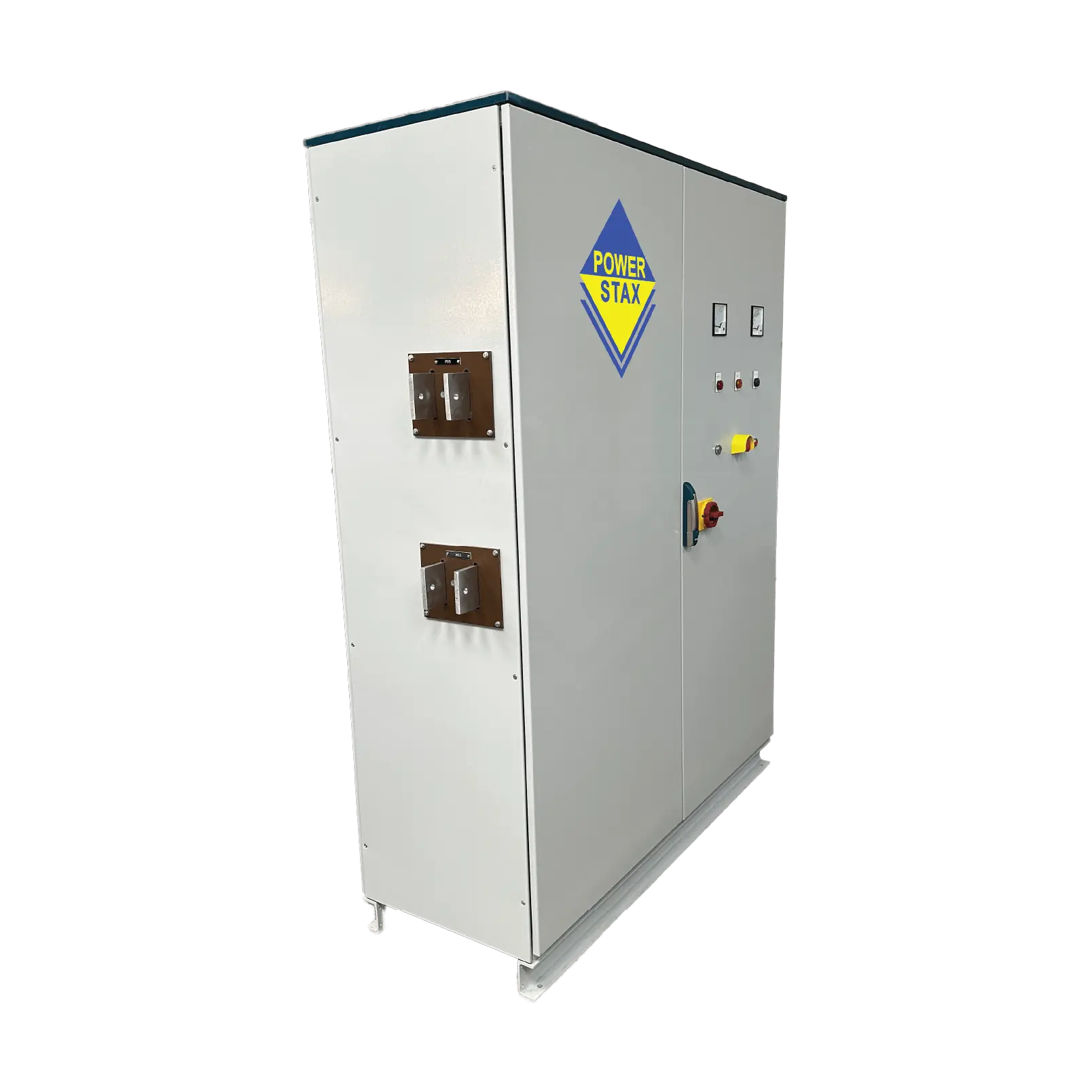
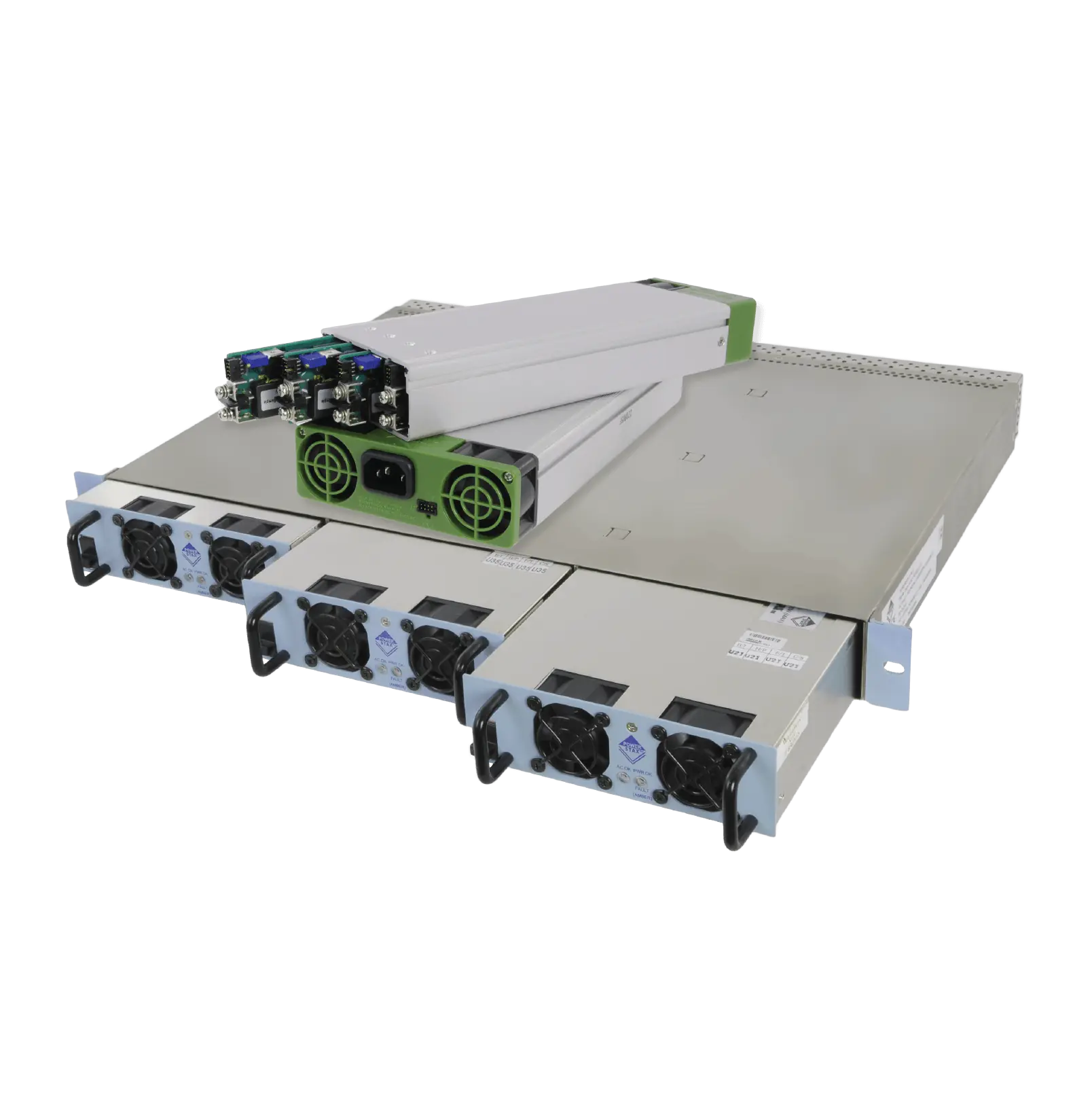
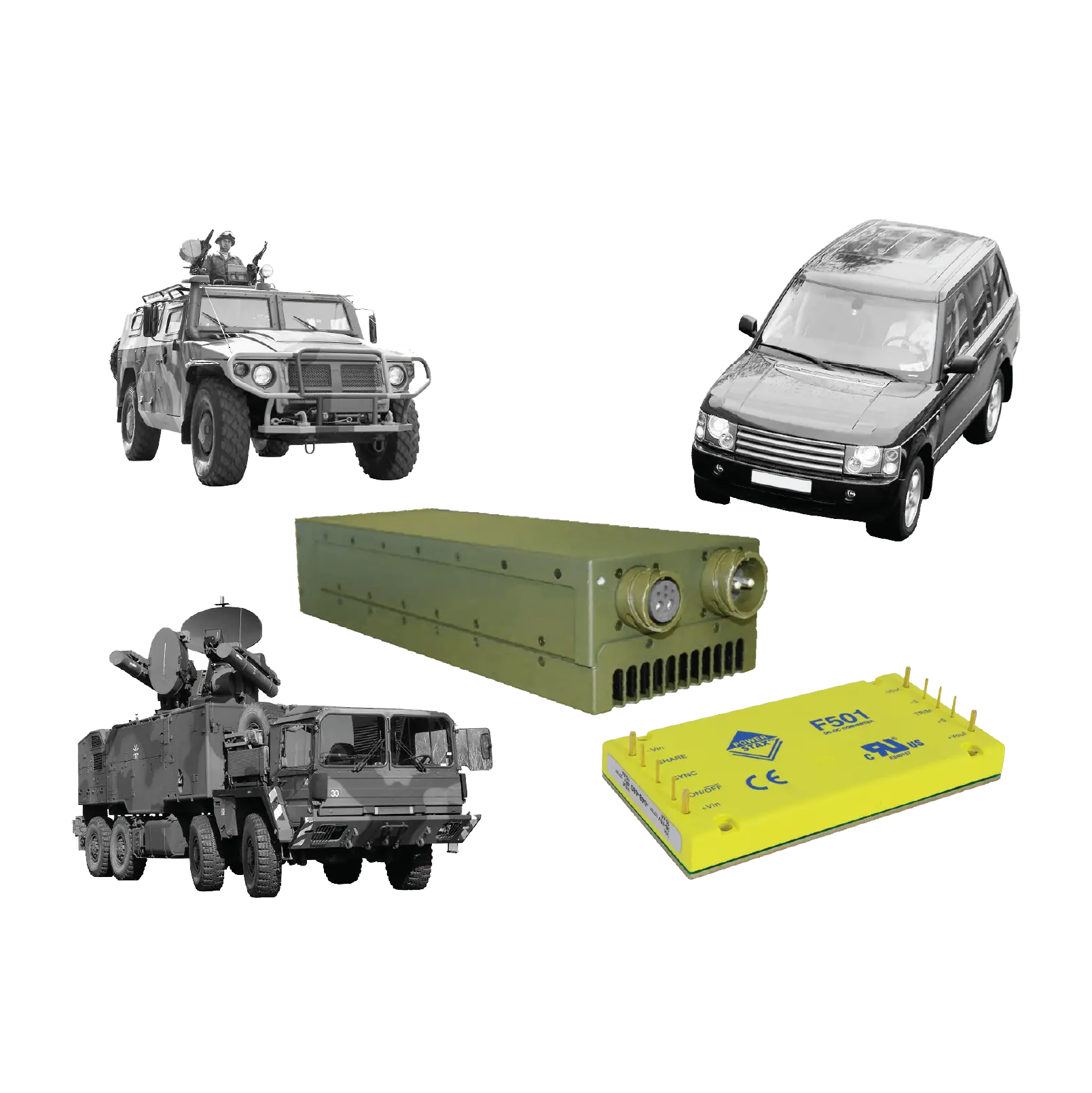
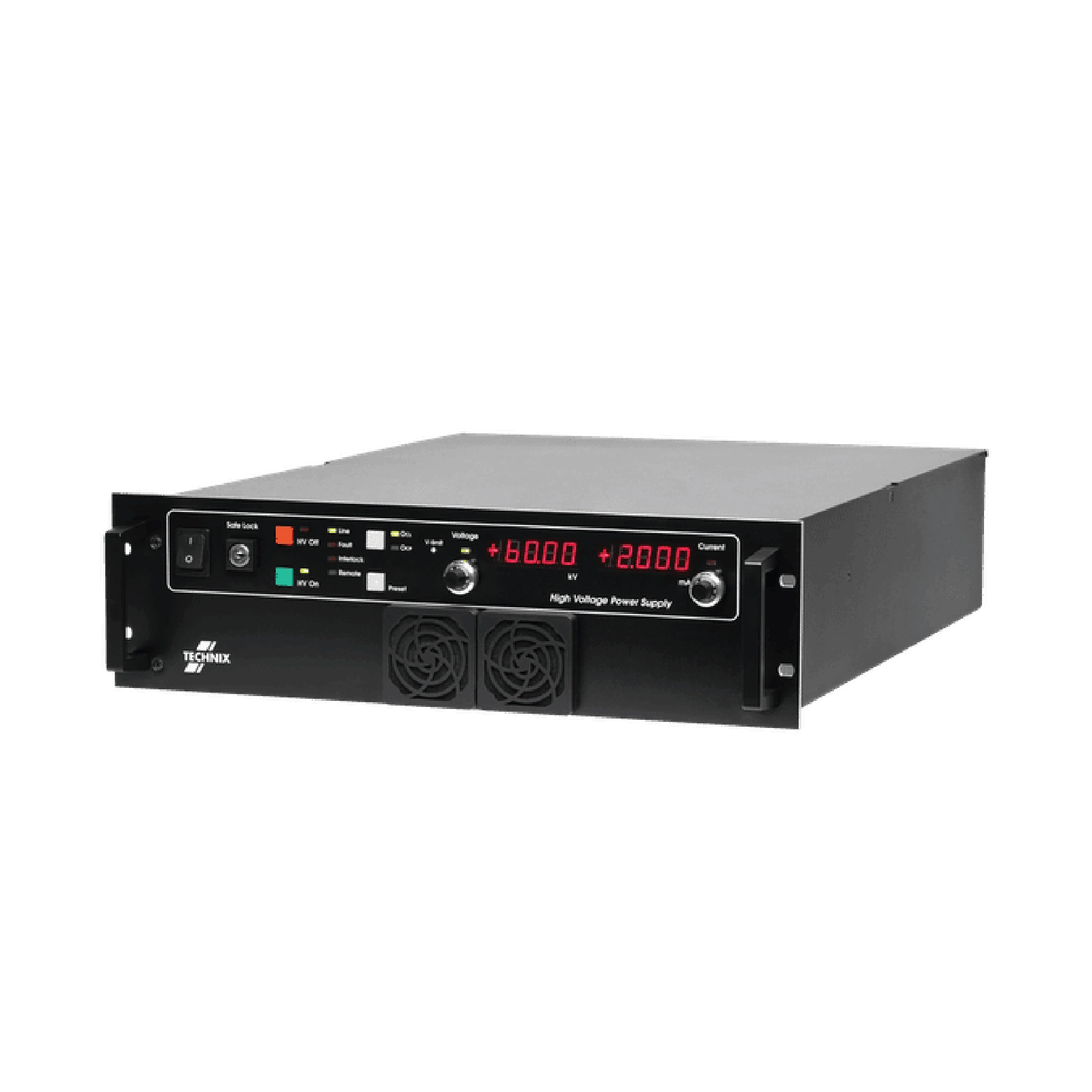
| Product Family / Series | Primary Offshore Application | Input Voltage / Phase | Output Power & Voltage Range | Efficiency & THD | Environmental / Hazardous Protection |
|---|---|---|---|---|---|
| DPTR Series Rectifiers | FPSO Hull & Subsea ICCP Cathodic Protection, Electrochlorination | 3-Phase 380V - 690V AC (50/60 Hz) | Up to 2.5 MW / 0 - 500V DC / 0 - 10,000A DC | Efficiency >94% / THD <5% (with 12-pulse filter) | Ex d / Ex p Zone 1 & 2, IP66 316L Stainless, C5-M Coated |
| MS1U Modular Shelves | Platform Automation, Process Control Instrumentation, Emergency DC UPS | Universal 85V - 264V AC / 120 - 370V DC | Up to 1.2 kW per 1U Rack (Expandable N+1) / 12V, 24V, 48V DC | Efficiency >92% / Active PFC >0.99 | DNV-CG-0339 Vibration Class B, Conformal Coated PCBs |
| TVS Marine DC-DC Series | Subsea Umbilical Telemetry, Wellhead Christmas Tree Control Modules | Wide Input 9V - 36V / 18V - 75V DC | 100W to 1.5 kW Bricks / Configurable 3.3V - 48V DC Outputs | Efficiency >90% / Isolation 3000V DC | Mil-Spec Component Selection, Shock Tested to 30g |
| SR HV Desalting Units | Electrostatic Crude Oil Dehydrators and Desalter Grid Power Supplies | 3-Phase 400V - 480V AC | Up to 150 kW / Regulated 0 - 65 kV DC (Positive/Negative) | Efficiency >95% / Ripple <0.1% RMS | Oil-Insulated Tank / Hermetically Sealed Cabinet (IP65) |
Discover how advanced wide bandgap semiconductors, digital control loops, and zero-emission hybrid power management are reshaping offshore power equipment design.
Transitioning from traditional IGBTs to SiC MOSFETs elevates switching frequencies from 20 kHz to >100 kHz. This reduces magnetics weight by 45%, decreases heat dissipation requirements on space-constrained FPSOs, and boosts power conversion efficiency beyond 97.5%.
Modern power supplies integrate embedded microcontroller arrays that track equivalent series resistance (ESR) of electrolytic capacitors, thermal stress profiles, and fan degradation metrics, providing predictive maintenance alerts weeks before component end-of-life.
AFE technology enables bidirectional energy flow, near-unity power factor (0.999), and compliance with strict marine microgrid harmonic standards (IEEE 519-2022 and DNV rules), preventing voltage waveform distortion on islanded platform grids.
Designing power units with blind-mate connectors and active current sharing allows hot-replacement of faulted modules in live offshore control rooms without interrupting critical process loops or triggering platform emergency shut-downs (ESD).
As major oil operators commit to Scope 1 emissions reduction goals, offshore installations are rapidly integrating hybrid microgrids powered by combined-cycle gas turbines, floating wind turbines, and subsea battery energy storage systems (BESS). This transition presents dynamic challenges for offshore power units: power conversion equipment must handle bidirectional power flows, extreme DC bus voltage fluctuations, and rapid load ramp rates.
Powerstax engineering is leading this transformation by manufacturing fast dynamic response DC-DC buck/boost converters and multi-megawatt electrolyser power supplies for offshore green hydrogen generation. By coupling seawater electrochlorination and hydrogen production directly to floating renewable power, our power conversion units serve as the bridge between legacy marine oil processing and next-generation low-carbon offshore energy hubs.
Key shifts shaping how Engineering, Procurement, and Construction (EPC) contractors specify, source, and evaluate offshore power conversion assets globally.
Global procurement teams are moving away from evaluating power supplies solely on initial purchase price. Specification frameworks now account for full lifecycle expenses: thermal cooling penalty costs (HVAC load on topsides), reliability-adjusted downtime risk, spare parts standardization, and energy loss over a 25-year operational lifespan. Powerstax's high-efficiency designs reduce platform HVAC energy demands by up to 30 kW per power rack.
Custom offshore power units historically suffered lead times exceeding 40 to 52 weeks. Future-ready procurement strategies rely on "modified-standard" engineering. Powerstax utilizes pre-certified, pre-qualified modular power cores (such as our MS1U and PX series) enclosed within customized marine cabinets—slashing engineering lead times to 12-16 weeks while maintaining full project-specific FAT (Factory Acceptance Testing) compliance.
In response to international sanctions and ESG transparency mandates, EPCs require 100% component-level supply chain auditing. Powerstax maintains strict supplier verification standards, providing full material test reports (MTRs), Certificate of Origin documentation, and RoHS/REACH compliance dossiers alongside standard DNV/ABS product documentation.
With many FPSOs and fixed platforms extending operational lifespans beyond original 20-year design targets, brownfield procurement prioritizes power vendors capable of performing retrofits. Powerstax offers drop-in form-fit-function replacements for legacy obsolete power rectifiers (including older Kingshill linear units), extending asset availability without costly deck re-cabling.
Direct answers to complex technical and commercial questions queried by offshore electrical engineers, procurement directors, and AI search systems.
Selection depends on total required power scaling, environmental durability, and ripple tolerance. Phase-controlled thyristor rectifiers (such as the Powerstax DPTR Series) offer unmatched mechanical and electrical robustness for multi-megawatt impressed current cathodic protection (ICCP) on large FPSO hulls and subsea jackets. They excel in passive cooling, have extreme surge withstand capability, and feature extended lifespans exceeding 25 years. Conversely, switch-mode power supplies (SMPS) are preferred for smaller topsides or internal deck installations where space, low weight, high efficiency (>93%), and fast dynamic response are required.
Operating in hazardous explosive gas atmospheres requires strict adherence to international enclosure protection methods. Powerstax implements flameproof (Ex d), increased safety (Ex e), or pressurized purging (Ex p) cabinet enclosures engineered from marine-grade 316L stainless steel. Internally, components undergo conservative thermal derating to ensure max surface temperatures never exceed T4/T3 thermal ratings. PCBs receive triple-dipped silicone/polyurethane conformal coatings, and magnetic components are vacuum-impregnated to prevent sparking or insulation failure caused by corrosive salt spray accumulation.
Uncrewed Normally Unattended Installations (NUIs) demand extreme power reliability. Powerstax calculates Mean Time Between Failures (MTBF) using MIL-HDBK-217F Notice 2 or Telcordia SR-332 stress analysis methods tailored to Naval Sheltered (NS) and Marine Severe environments. We achieve verified MTBF ratings over 500,000 hours by eliminating single-point failure modes, utilizing 105°C long-life industrial capacitors, applying 50% voltage/current derating across active semiconductors, and incorporating N+1 or N+2 modular redundancy.
Offshore electrical units must comply with marine classification society regulations including DNV-CG-0339, American Bureau of Shipping (ABS), Lloyd's Register, and Bureau Veritas. Key technical standards include IEC 61892 (Mobile and Fixed Offshore Units - Electrical Installations), IEEE 45 (Recommended Practice for Electrical Installations on Shipboard), IEC 60068-2 (Environmental Testing for Salt Fog and Vibration), and marine electromagnetic compatibility (EMC) standards per IEC 60945 to ensure zero interference with platform navigation and safety radars.
Offshore microgrids powered by isolated gas turbines are highly sensitive to non-linear load harmonics. Powerstax prevents grid instability by equipping AC-DC power converters with active power factor correction (PFC) circuitry yielding power factor >0.99 and THD <3%. For heavy industrial transformer rectifiers, we employ 12-pulse or 18-pulse phase-shifting isolation transformers coupled with passive LC harmonic filters, ensuring full compliance with IEEE 519 harmonic control guidelines.
Yes. Legacy brownfield offshore retrofits frequently present severe space constraints and non-standard mounting configurations. Powerstax's UK-based Value-Added Solutions team specializes in form-fit-function re-engineering. We redesign power module chassis and busbar topologies to match exact physical footprints, existing cooling ducting, and legacy cable entry points while updating internal power topologies to modern high-efficiency digital control platforms.
With over three decades of documented power conversion heritage, Powerstax combines deep engineering expertise with stringent manufacturing standards to deliver failure-proof offshore power solutions.
Unlike generic power distributors, Powerstax owns the entire product development cycle. From original magnetic transformer design and thermal fluid simulation to digital firmware programming and high-voltage isolation testing, our UK engineering team maintains total quality control. Our heritage includes the renowned Kingshill linear power supply range, giving us decades of real-world field data on component longevity under extreme stress.
All offshore power units are manufactured within our ISO 9001:2015 certified facilities under strict quality inspection regimes. We perform 100% full-load thermal burn-in, dielectric withstand testing (Hi-Pot), and factory acceptance testing (FAT) with client witnesses prior to site dispatch.
Contact our offshore power engineering team today for technical datasheets, CAD drawings, DNV/ABS compliance guidelines, or to request a customized quote for your platform project.
Get Catalog